Parenting Tips
What's on in Ōtautahi this school holidays?
Parenting Tips
Find out what's on for children and families at The Arts Centre in Christchurch this school holidays

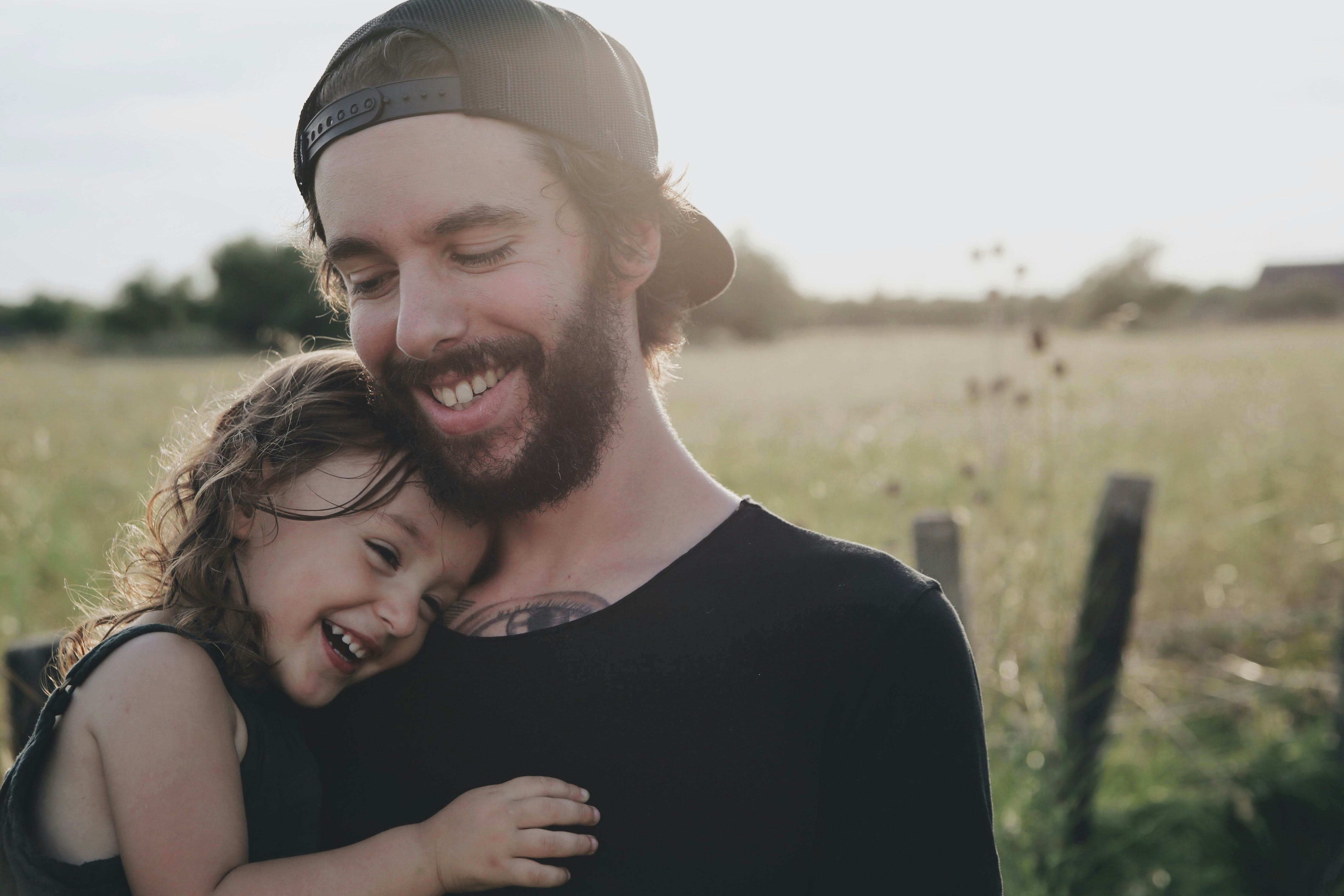
For some, becoming a dad begins with pregnancy and birth. For others, fatherhood begins through adoption, surrogacy, fostering, whāngai, donor conception, step-parenting, or joining an existing family. There are many different pathways to becoming a parent, and the word “dad” holds a deeply personal meaning.
And just as we recognise that not every family has a dad, there is no single way to become a father, and there is no single way to be a dad.
What matters is the relationship: the love, care, connection and presence that a parent or caregiver brings to a child's life.
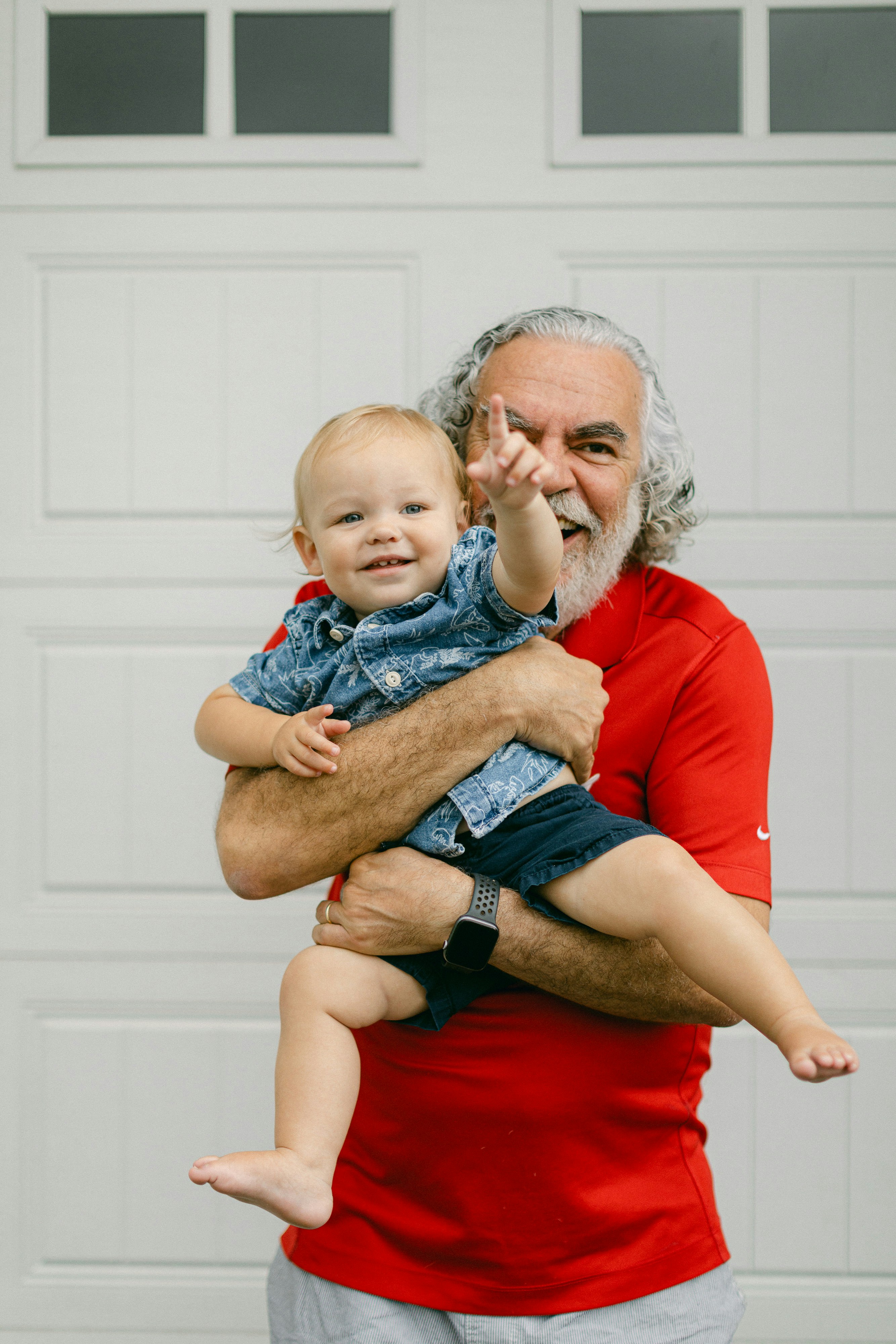
When we talk about parenting and the early years of the life of a tamaiti, it's easy for the conversation to focus heavily on ngā māmā - mums.
And it's understandable. Pregnancy, birth, breastfeeding and the physical demands of caring for a baby place enormous demands on mothers. But this one is about the dads. Fathers matter - to their babies, to their partners, and to the wellbeing of the whole whānau.
Being a dad can be exciting, overwhelming, confusing, joyful and exhausting — sometimes all in the same day. And becoming a father is a huge transition. It's one thing to know that you are going to become a dad, but it can take time to work out what that actually means once the baby arrives.
This is why we love the work of Great Fathers Mana Mātua, a New Zealand organisation creating practical resources specifically for dads and the people supporting them.
Their message is simple: dads don't need to be perfect. They need opportunities to be involved, supported and connected with their children.
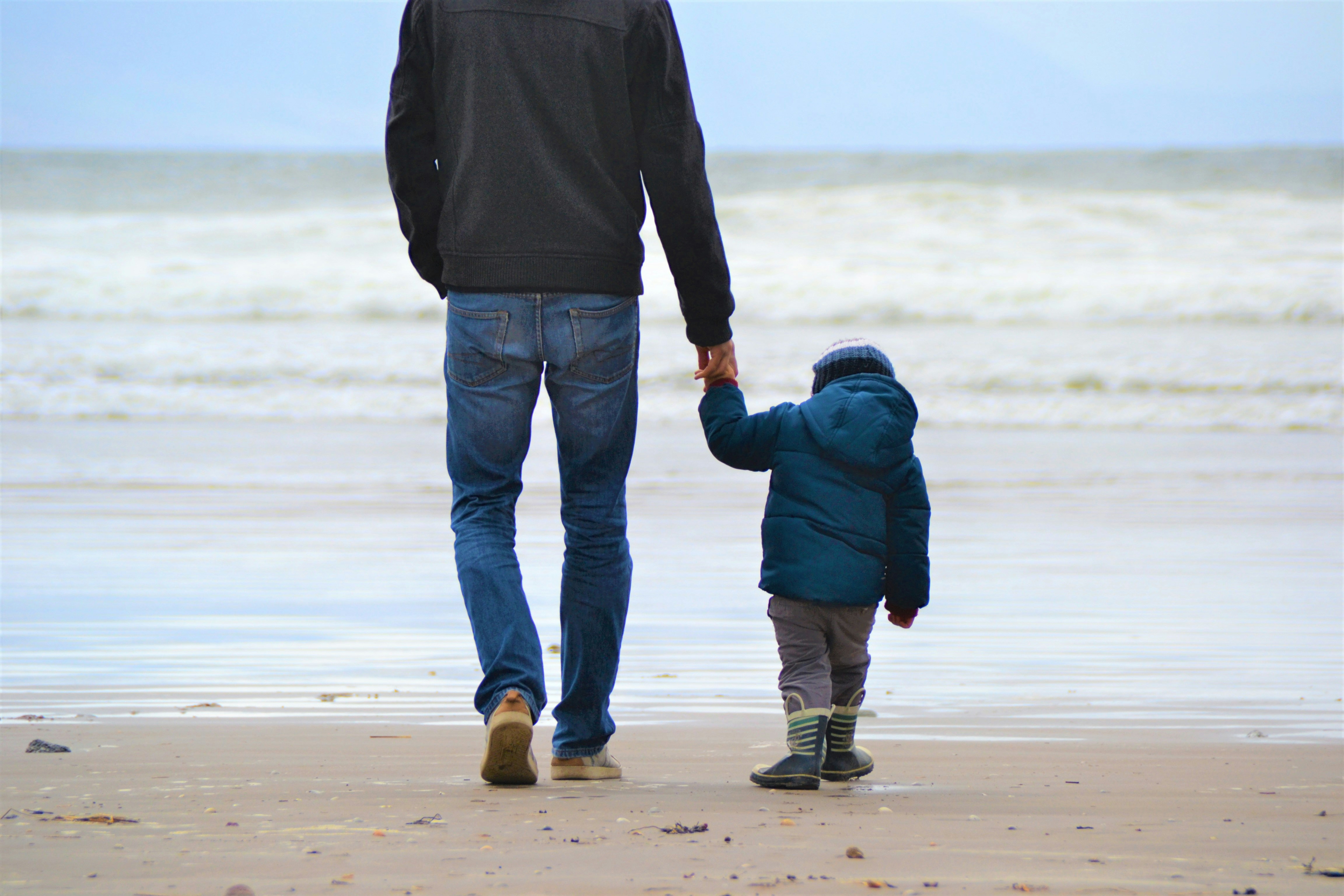
Every father brings their own experiences, culture, relationships and childhood into parenting.
For some pāpā, their own father may have been an incredible role model. For others, their experience may have been very different. Great Fathers encourages dads to think about what they want to carry forward from their own upbringing — and what they might want to do differently.
That's a powerful idea. Becoming a parent gives us an opportunity to think about the kind of relationship we want to build with our own children.
What do we want our children to remember about us?
How do we want them to feel when they are with us?
What does being a loving, involved father look like in our whānau?
There's not one right answer.
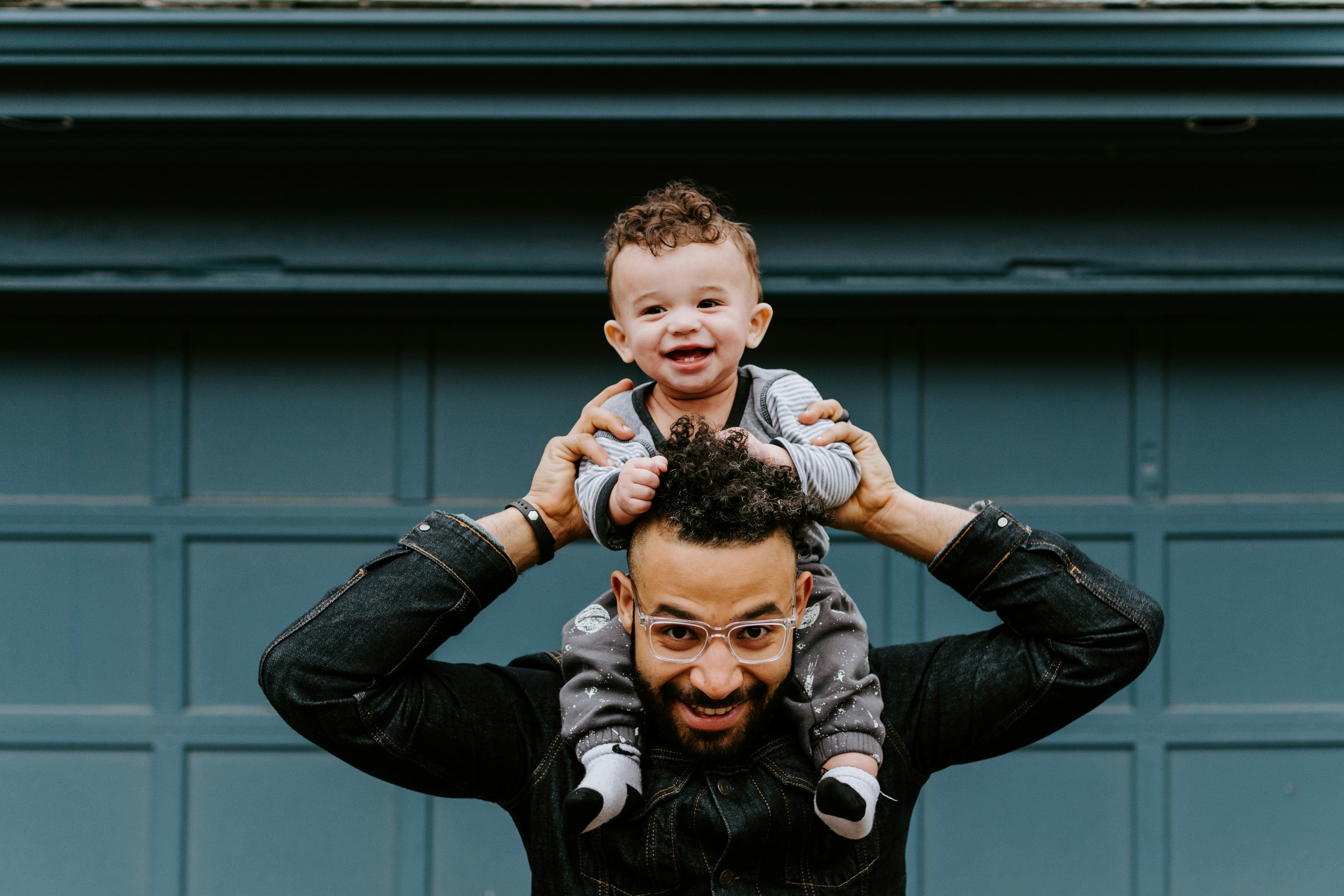
In many cases Mum may have been the one carrying the baby, attending appointments and learning the routines. They may also be the person everyone naturally turns to when something needs to be done.
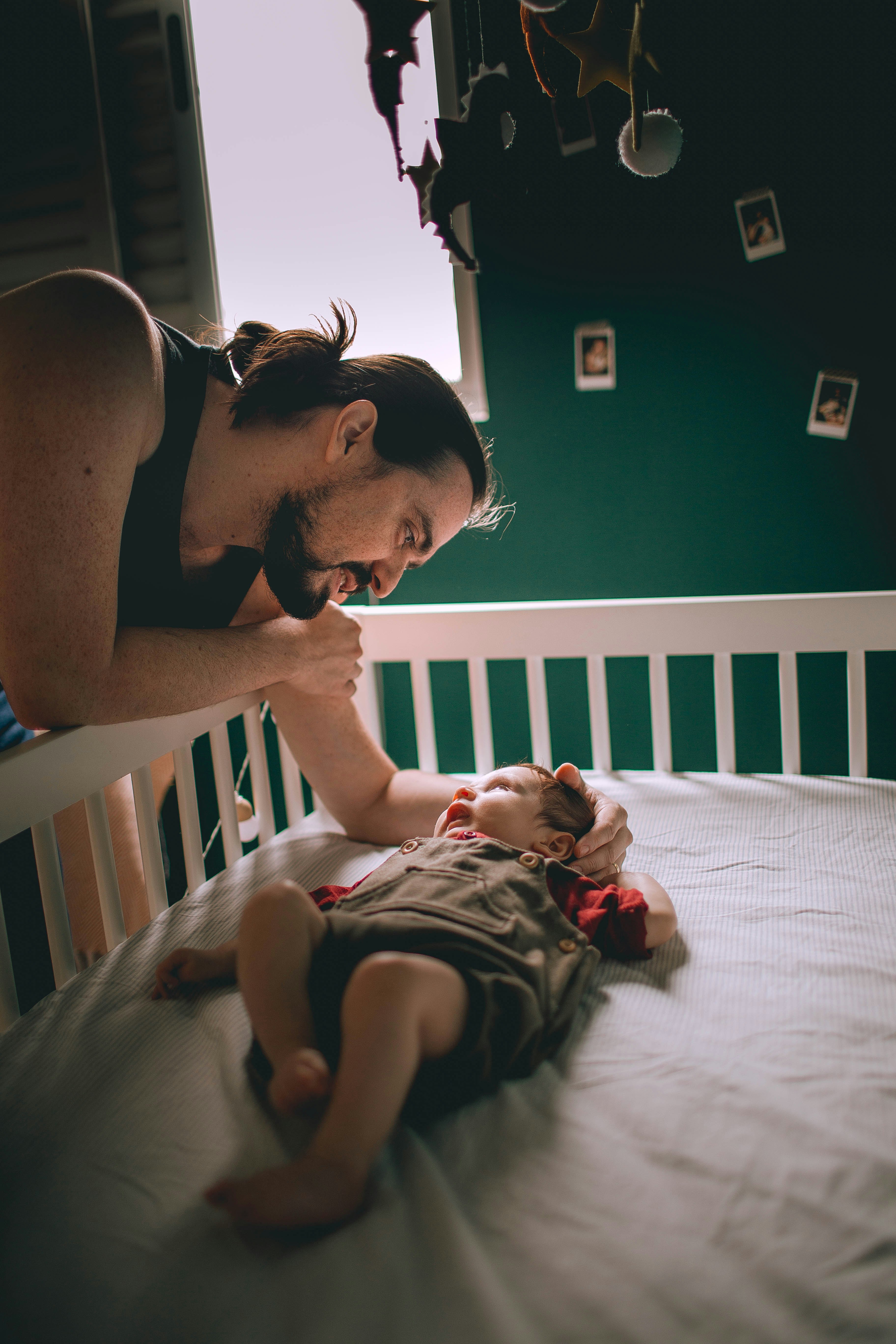
But babies need relationships with their dads too.
Holding, changing, bathing, settling, talking, singing, playing and simply spending time together are all opportunities for a father and child to build their relationship.
Great Fathers highlights the importance of dads being involved in everyday care and showing affection, attention and responsiveness to their babies.
And this isn't only good for children.
Being involved in family life can also help fathers develop confidence, connection and a stronger sense of belonging in their role as a parent.
He waka eke noa - we are all in this together
If you are a dad, a mum, a partner, a grandparent, a whānau member, or someone who works alongside families, we encourage you to have a look at Great Fathers Mana Mātua.
Their website has a dedicated 'New Dads Toolbox' covering practical topics such as settling a crying baby, sleep, playing with babies, relationships after becoming parents, finances, the transition to fatherhood and thinking about the influence of your own dad.
They also provide resources specifically designed to engage and support new fathers in Aotearoa New Zealand.
It's about showing up, building a relationship, and being there for your child — again and again.