At PerVigeō, we know that children’s development happens in all sorts of everyday moments.
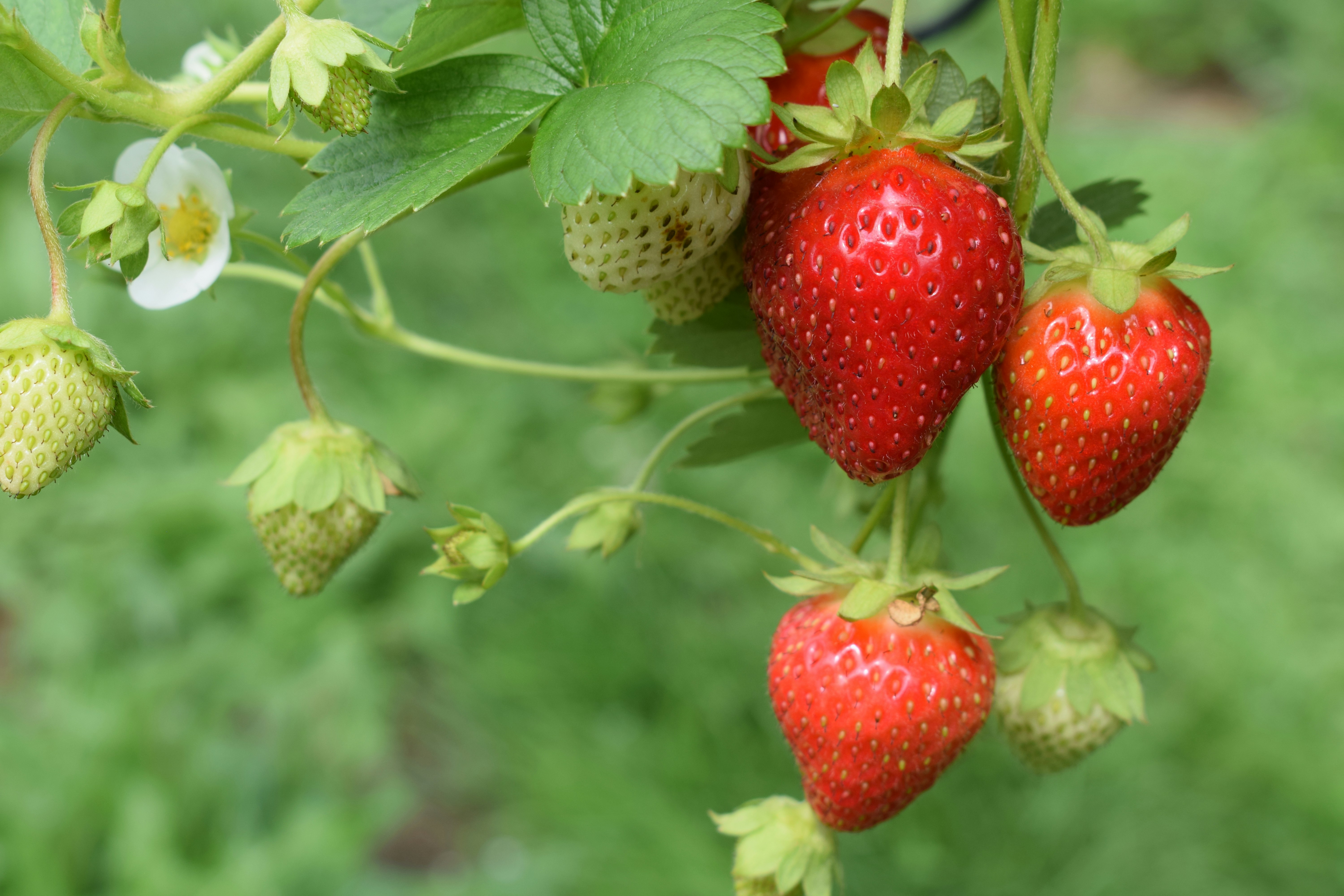
Sometimes it happens with muddy hands, wiggly worms and a strawberry waiting to turn whero (red). And now is the perfect time to get started!
Dig, plant, water, watch
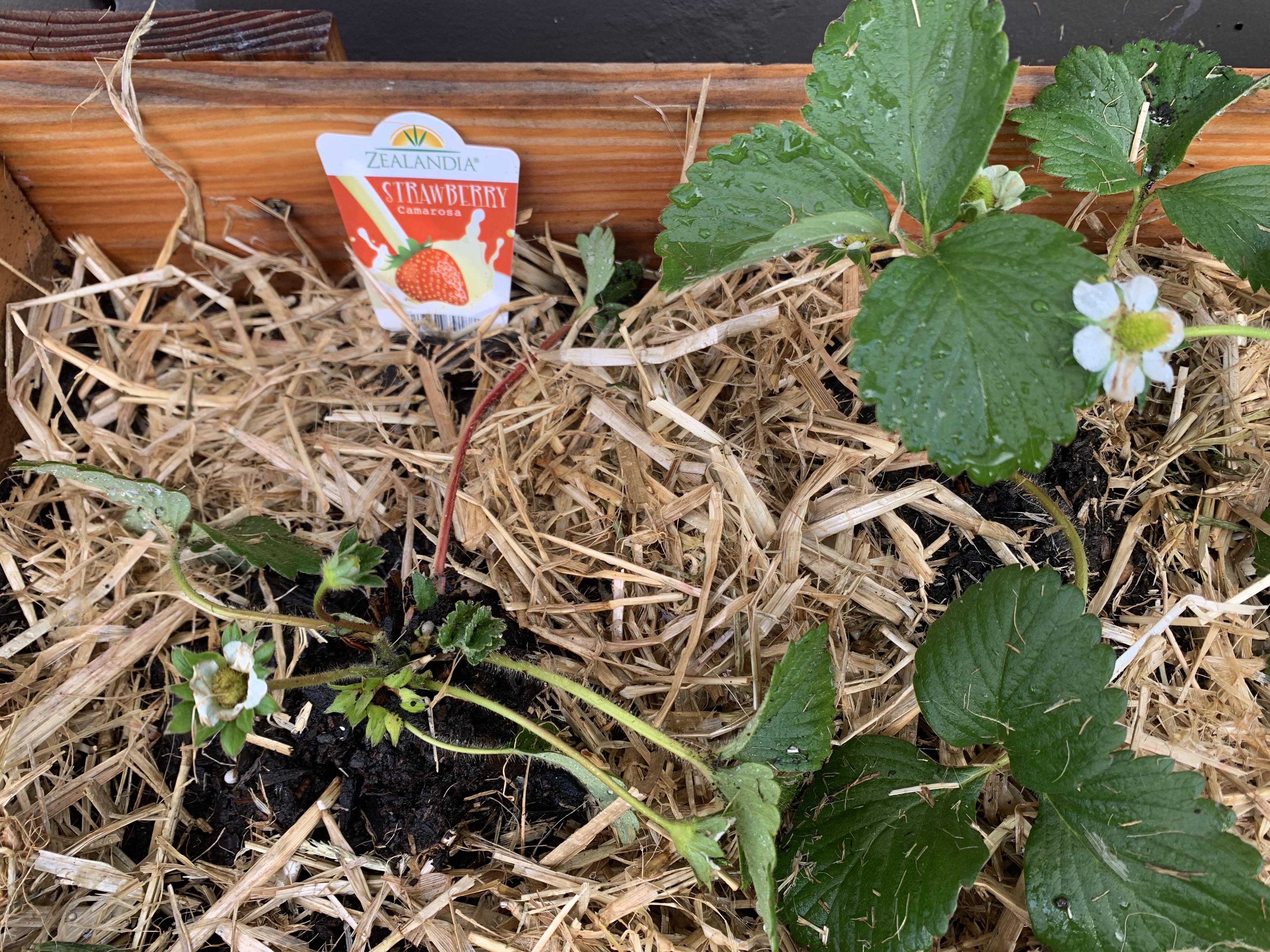
Find a sunny spot and get planting. Strawberries are happy in garden beds, pots or planters, so you don’t need a big garden. Your local Bunnings or Mitre 10 will have everything else you need.
Choose a sunny spot — ideally with at least 6 hours of sun and good drainage.
Prepare the soil — remove weeds and mix in compost or a good organic fertiliser.
Make a mound for each plant — create a low, rounded mound about 30–40 cm apart to give each plant room to grow
Create a shallow planting hole in the centre of the mound, just large enough for the roots.
Place the strawberry plant in the hole — spread the roots out rather than bending them upwards.
Get the depth right — the crown (the centre where the leaves emerge) must sit level with the surface of the mound. Don't bury the crown, as it can rot.
Firm the soil around the roots and water thoroughly.
Add pea straw mulch around the mound, keeping it a few centimetres away from the crown.
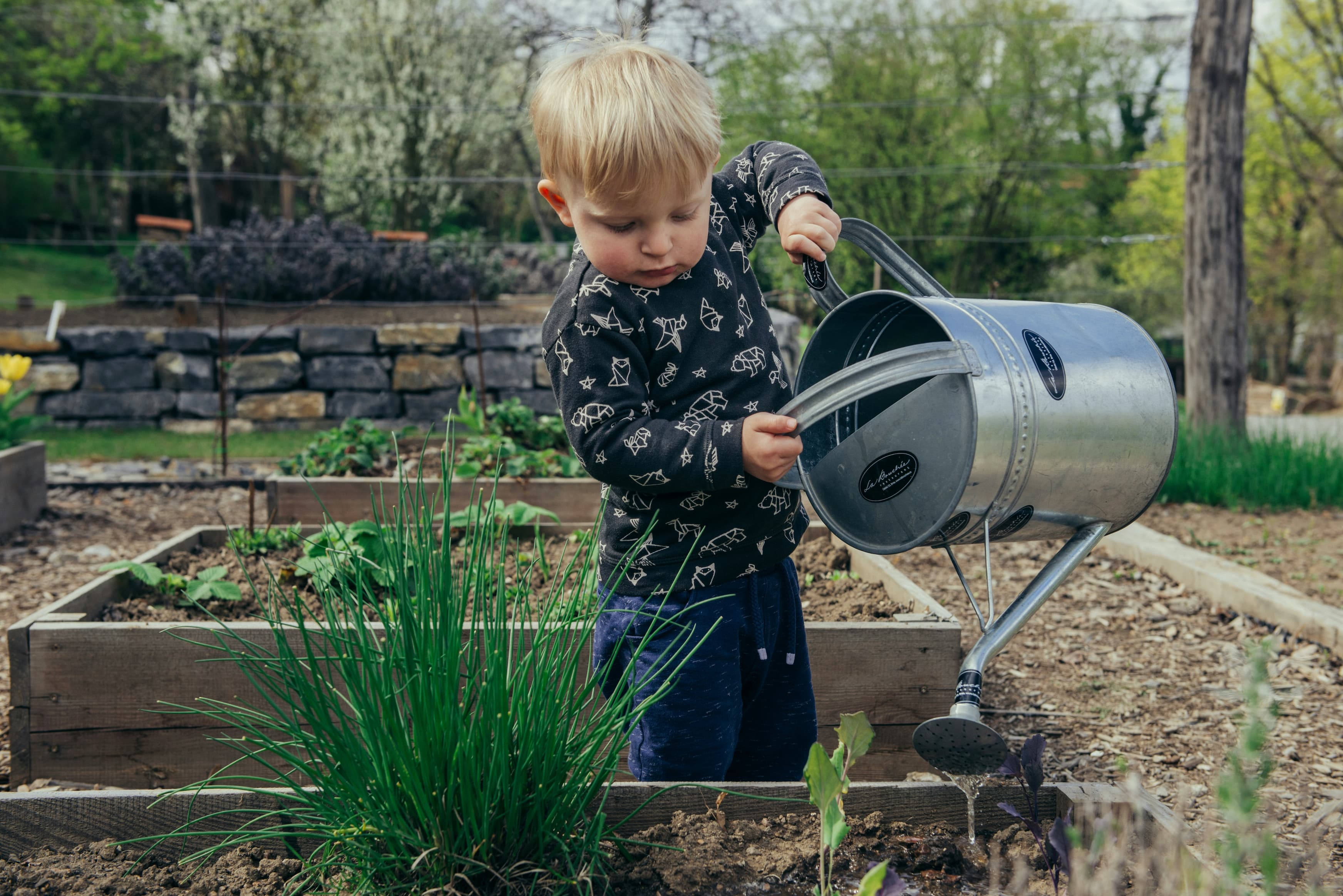
Let your children be part of the whole adventure:
🌱 Dig 💧Water 👀 Watch 🐛 Explore 🍓 Wait
These simple activities give tamariki opportunities to move, use their hands, explore different textures, practise coordination and build attention and patience.
Become strawberry experts
Check your plants regularly and observe what has changed.
These little moments of noticing can support curiosity, observation and an understanding of patterns and routines — while helping children connect with the natural world around them.
Growing connection
There’s something special about eating food you’ve helped grow.
That first strawberry isn't just a yummy snack. It represents care, patience, sunshine, soil and time.
Growing kai gives children a hands-on connection with where food comes from and an opportunity to care for something living. It can also create space to connect with Papatūānuku and with each other.
And, of course, you can eat the strawberries - straight from the garden, on breakfast, shared with whānau. They’re likely to taste even better because you grew them together.
Little moments matter
You don’t need a perfect garden, lots of equipment or expert gardening skills. Just get outside, get curious, get your hands in the soil.
Connection with te ao, and small, everyday experiences create meaningful opportunities for connection, development and belonging.
So this October, why not plant a strawberry? You might be surprised by how much can grow from one little plant.
And not all of it will be in the garden. 🍓
Want more ideas for supporting development through everyday experiences?
Explore more family-friendly ideas and resources from PerVigeō, where we celebrate the many ways children learn, connect and grow — through play, relationships, movement and the world around them.
How PerVigeō supports children and families
We offer a safe, non-judgemental space where your family is welcomed by people who understand. Our team partners with you to explore your child’s unique strengths and challenges and to create a personalised plan for support.
Whether you’re looking for reassurance, advice, or formal assessment, we’re here to help.
Better together
Together, we’ll take the next steps toward helping your child reach their full potential.

.jpg)