Although the bellbird is small, it can ascend the lofty heights of the Kahikatea tree.
At Pervigeō, our name speaks to what we hope for every child—to blossom, and to continue to thrive in their own way and in their own time. That intention sits at the heart of everything we do, including the way we think about play.
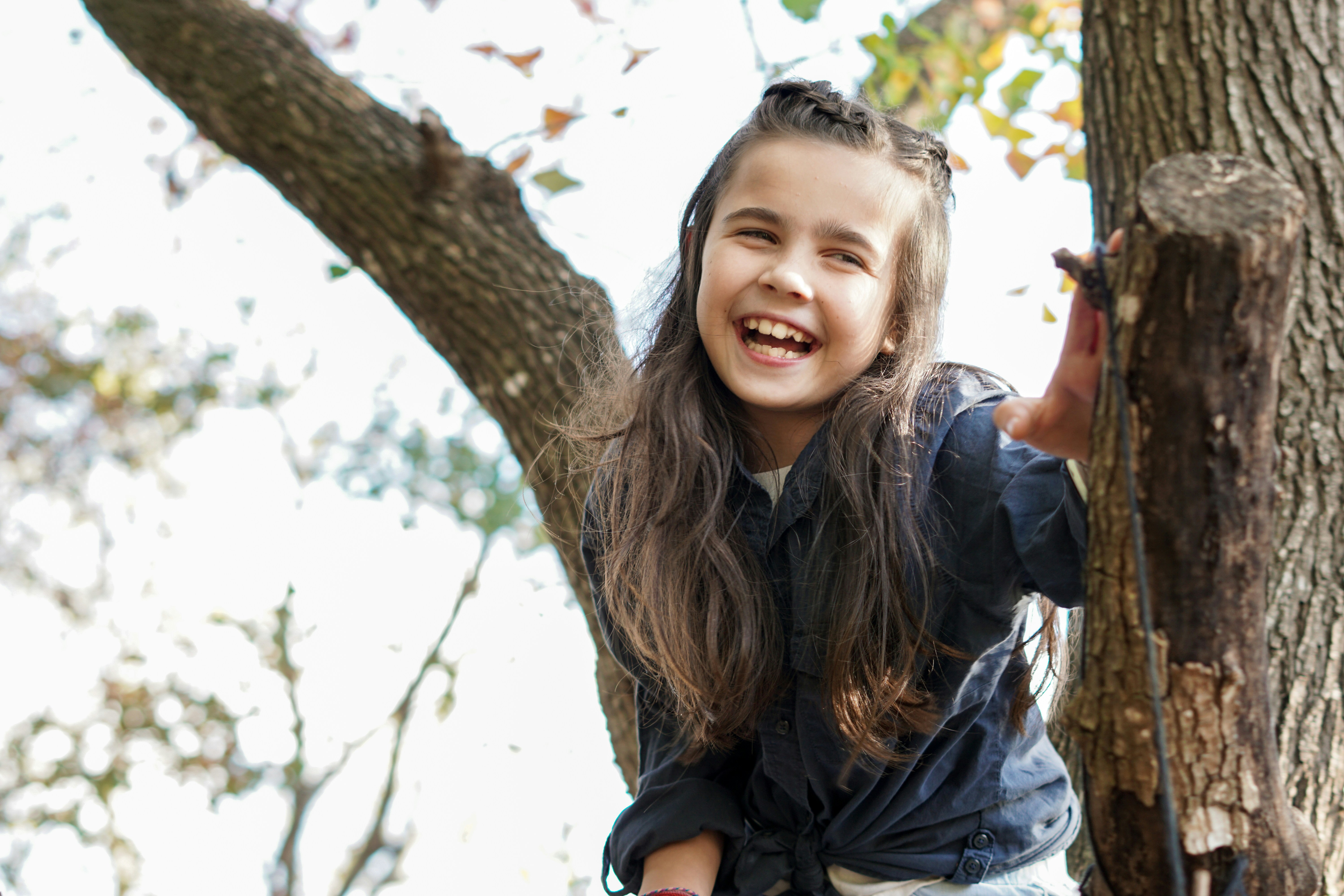
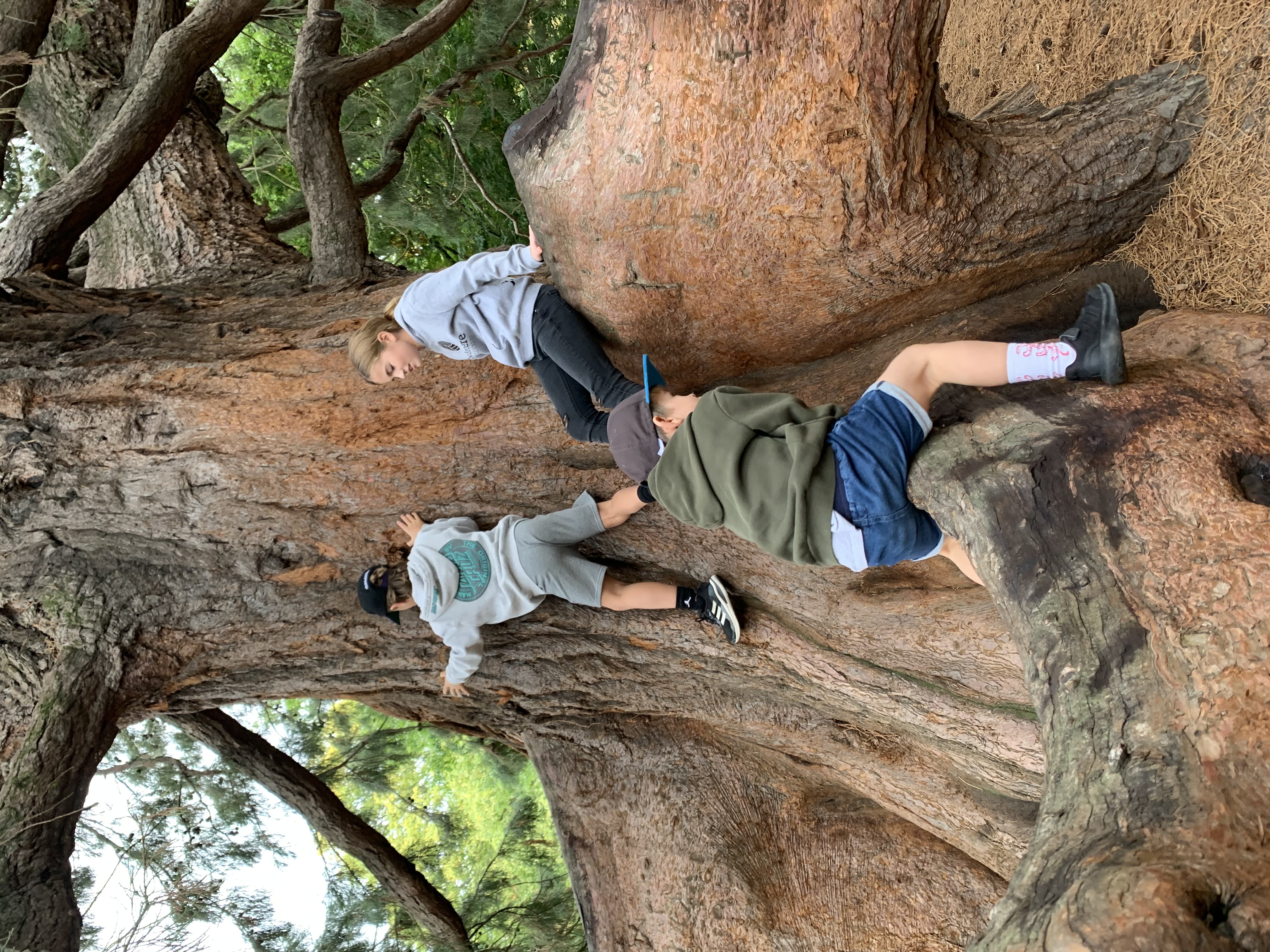
Sometimes, the most powerful play opportunities that families can offer their tamariki isn’t found in structured activities or carefully designed programmes, but in simple, meaningful experiences. One of those is tree climbing.
When your tamariki climb trees, it might look like ordinary play, but there’s a lot happening beneath the surface—especially for children with neurodevelopmental differences.
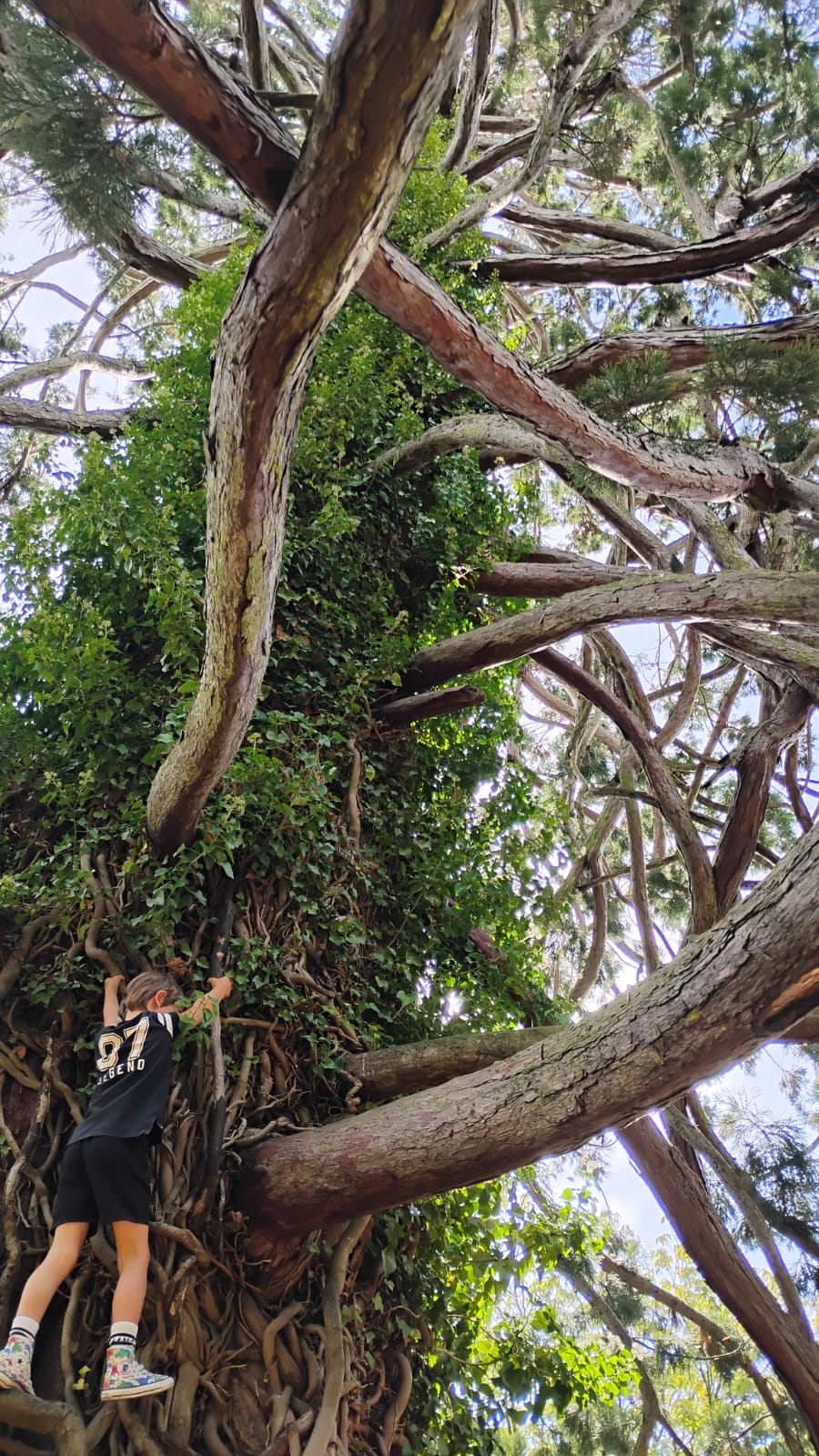
When a child climbs a tree, their body naturally begins to organise itself. They pull themselves up, press their feet into the bark, adjust their grip, and shift their weight. All of this provides rich proprioceptive input—the kind that helps children understand where their body is in space. For many tamariki, this input can feel deeply regulating. It can bring a sense of calm, help with focus, and support that feeling of being “in” their body rather than overwhelmed by it.
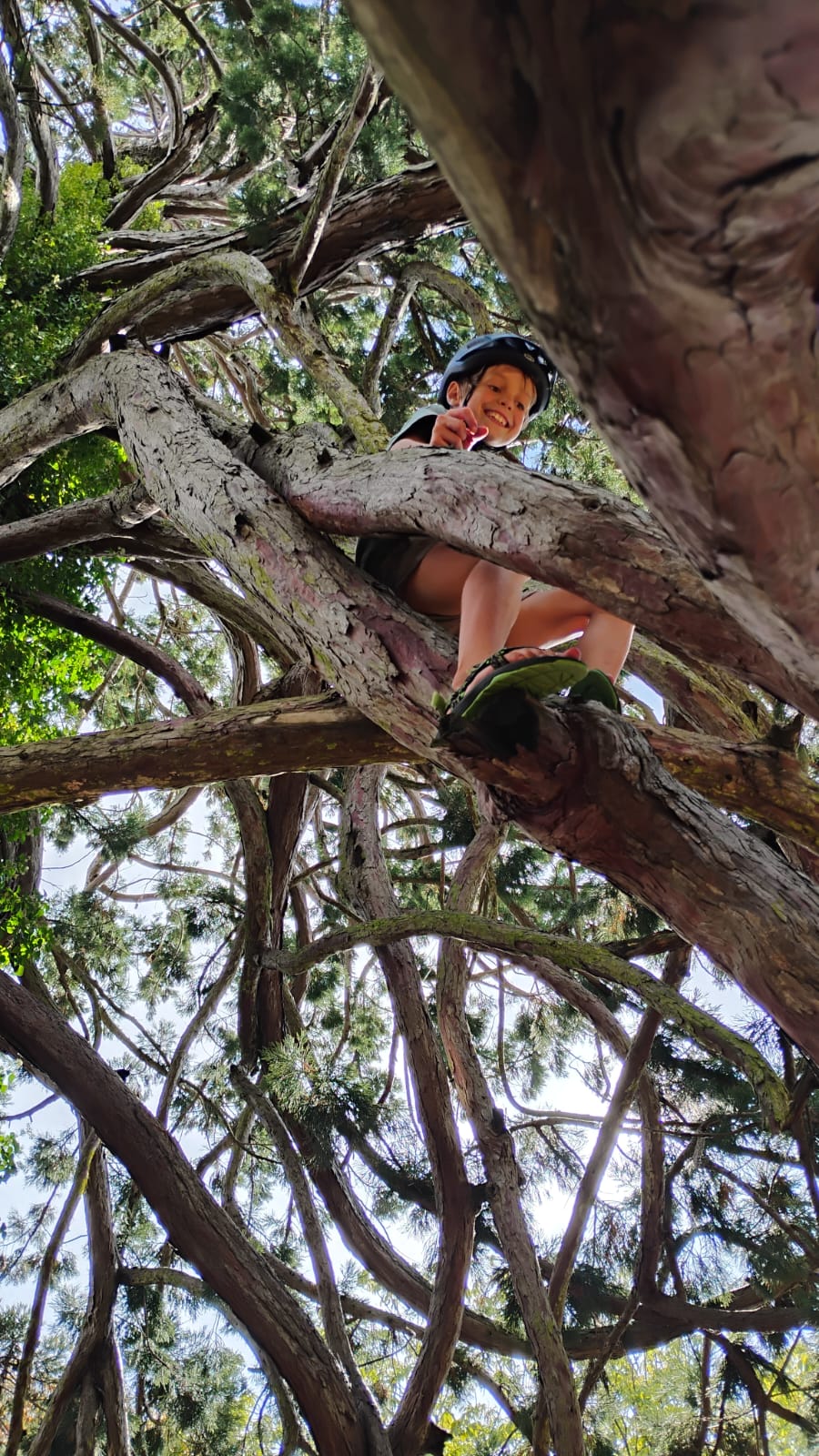
Alongside this, their vestibular system is quietly at work. Every small movement—looking up, leaning sideways, balancing on a branch—gives the brain information about motion and position. Some children actively seek this kind of input, moving higher and faster with confidence. Others take their time, staying close to the ground, building trust in their body step by step. Both approaches are exactly right.
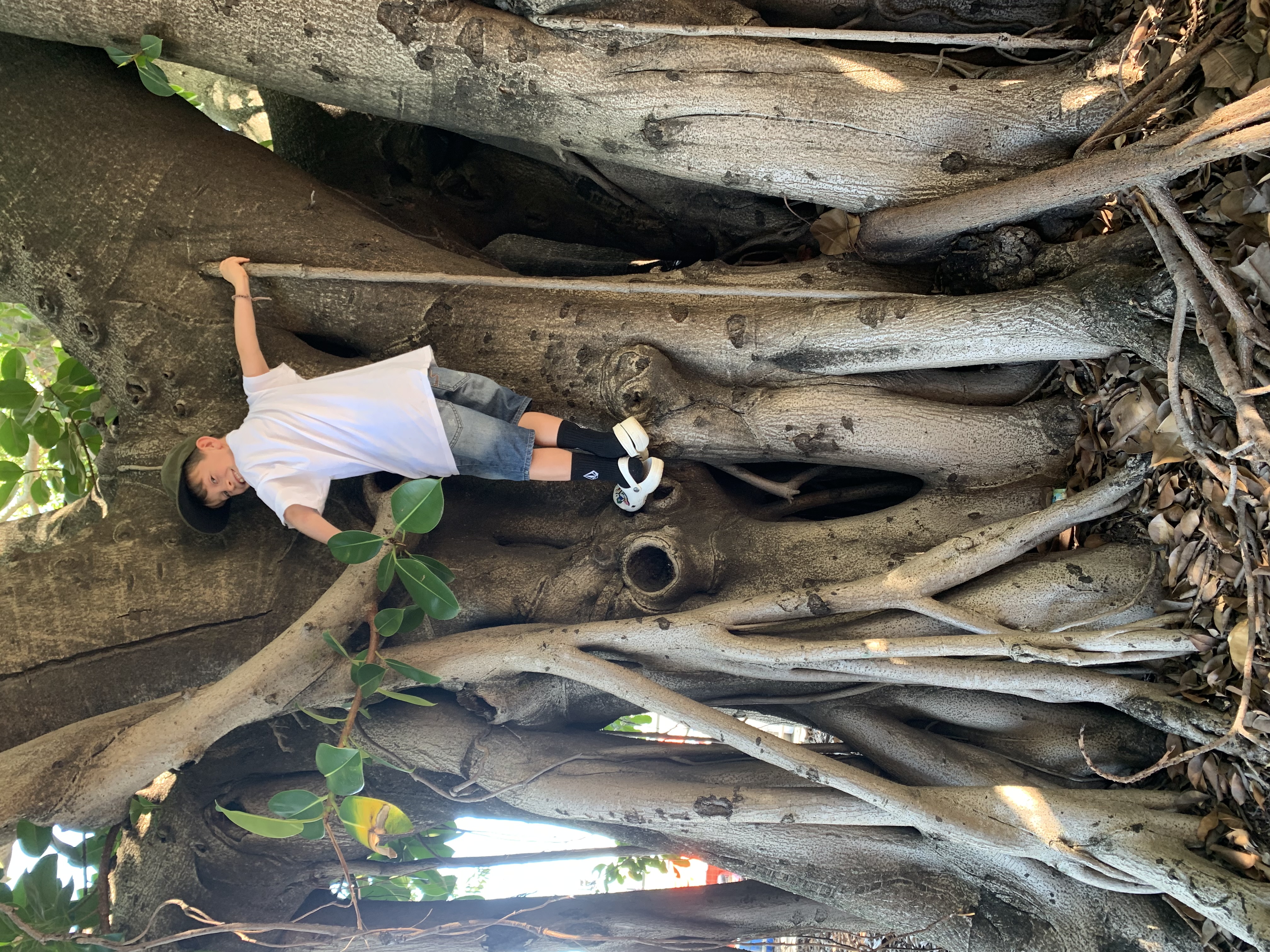
One of the (many) beautiful things about a tree is that it doesn’t place any demands on a child. There’s no expectation to climb higher, no fixed pathway to follow. Your child might climb, pause, come back down, or simply explore from the base—running their hands over the bark or leaning their body into the trunk. Every interaction is meaningful.
The opportunities and choices for connection that our natural environment offers matter. It allows children to tune into their own sensory needs and respond in ways that feel safe and satisfying. Over time, this builds not just physical capability, but confidence and self-trust.
When a child climbs a tree they also face an opportunity to experience gentle unpredictability. Each branch asks a quiet question: Can I step here? Can I reach that? These small moments of problem-solving support flexible thinking, resilience, and curiosity, all within a context that feels like play.
And here in Aotearoa, there’s a deeper layer too. Spending time with trees invites connection—to our whenua, to stillness, and to ourselves. For some of our tamariki, a tree becomes not just something to climb, but a place to pause, regulate, and simply be.
At Pervigeō, we see these moments as part of the blossoming process. Not rushed, not forced—just gently supported.
And just as in nature, when the conditions are right, children don’t just grow—they thrive.
How PerVigeō supports children and families
We offer a safe, non-judgemental space where your family is welcomed by people who understand. Our team partners with you to explore your child’s unique strengths and challenges and to create a personalised plan for support.
Whether you’re looking for reassurance, advice, or formal assessment, we’re here to help.
Better together
Together, we’ll take the next steps toward helping your child reach their full potential.