Finding Calm in Nature: How the Outdoors Supports Emotional Regulation (for tamariki and whānau)
Time spent in nature can have a powerful effect on emotional regulation — the ability to notice, process, and respond to feelings in a balanced way. For young children (and their parents), nature can act like a gentle co-regulator.
Emotional regulation is still developing in early childhood. Big feelings come quickly, and the skills to manage them take time to grow. Many parents spend a lot of energy helping children calm their bodies and minds — breathing, talking through feelings, or offering comfort. Nature can support this process in a surprisingly natural way.
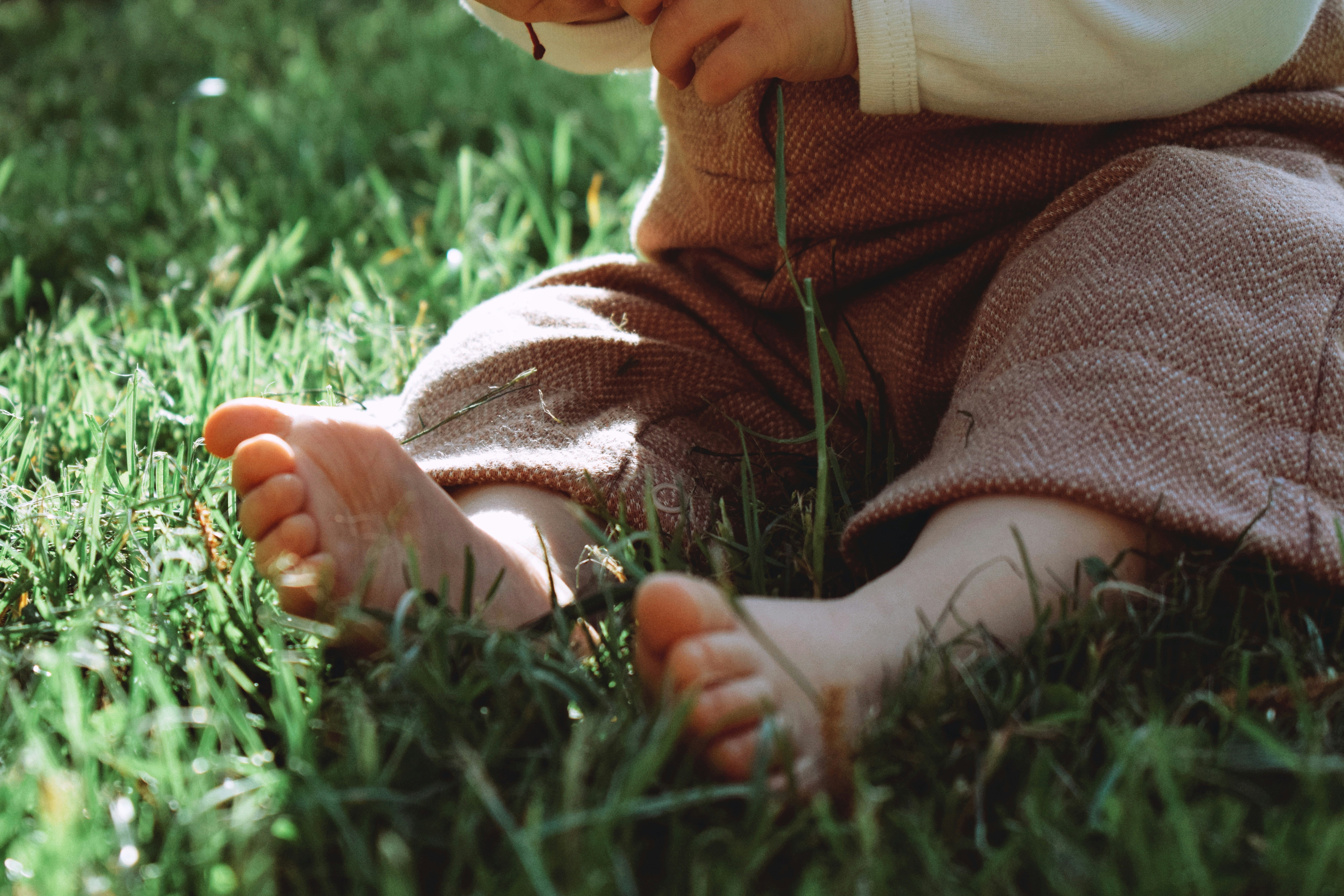
Outdoor environments tend to be rich in sensory experiences but without the intense stimulation of many indoor spaces. The sound of wind in trees, the feel of dirt or grass under little hands, the rhythm of walking along a path — these experiences can help regulate the nervous system. Instead of needing to “force calm,” children often move seamlessly toward it through their play and exploration.
Nature also invites movement. Climbing, balancing, digging and running, all allow children to release energy and stress physically. This kind of body-based regulation is especially helpful for children who find it hard to sit still or talk about their feelings right away. Movement gives emotions somewhere to go.
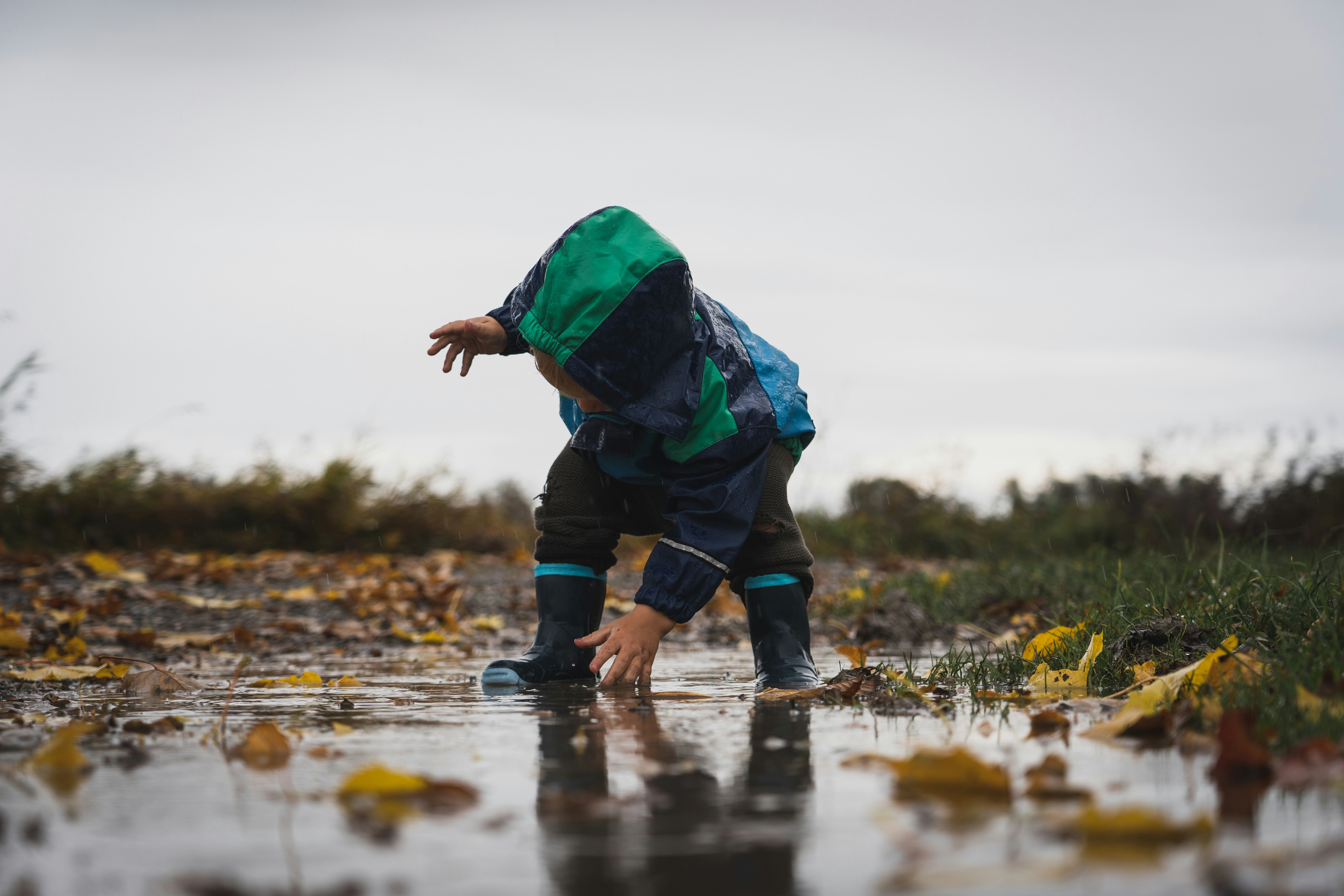
Just as importantly, nature supports connection. When parents and children share outdoor experiences — watching insects, collecting leaves, or splashing in puddles — it creates small moments of shared attention. These moments strengthen the parent–child relationship, which is one of the most important foundations for emotional regulation. When children feel connected and safe with their caregiver, their nervous systems settle more easily.
For neurodivergent children, nature can sometimes feel especially supportive. Natural environments are often less socially demanding and more flexible than structured indoor settings. Children can engage in ways that suit their sensory needs and interests, whether that’s quietly observing, building, or moving energetically.
The good news is that connecting with nature doesn’t require big adventures or perfect weather. A walk around the block, a few minutes in your garden, or visiting a local park or reserve can be enough to shift the emotional tone of the day. What matters most is the opportunity to slow down, notice the environment, and share the experience together.
In a busy whānau, nature can become a simple, reliable ally — helping children regulate their emotions while strengthening the sense of connection that helps them thrive.
How PerVigeō supports children and families
We offer a safe, non-judgemental space where your family is welcomed by people who understand. Our team partners with you to explore your child’s unique strengths and challenges and to create a personalised plan for support.
Whether you’re looking for reassurance, advice, or formal assessment, we’re here to help.
Better together
Together, we’ll take the next steps toward helping your child reach their full potential.