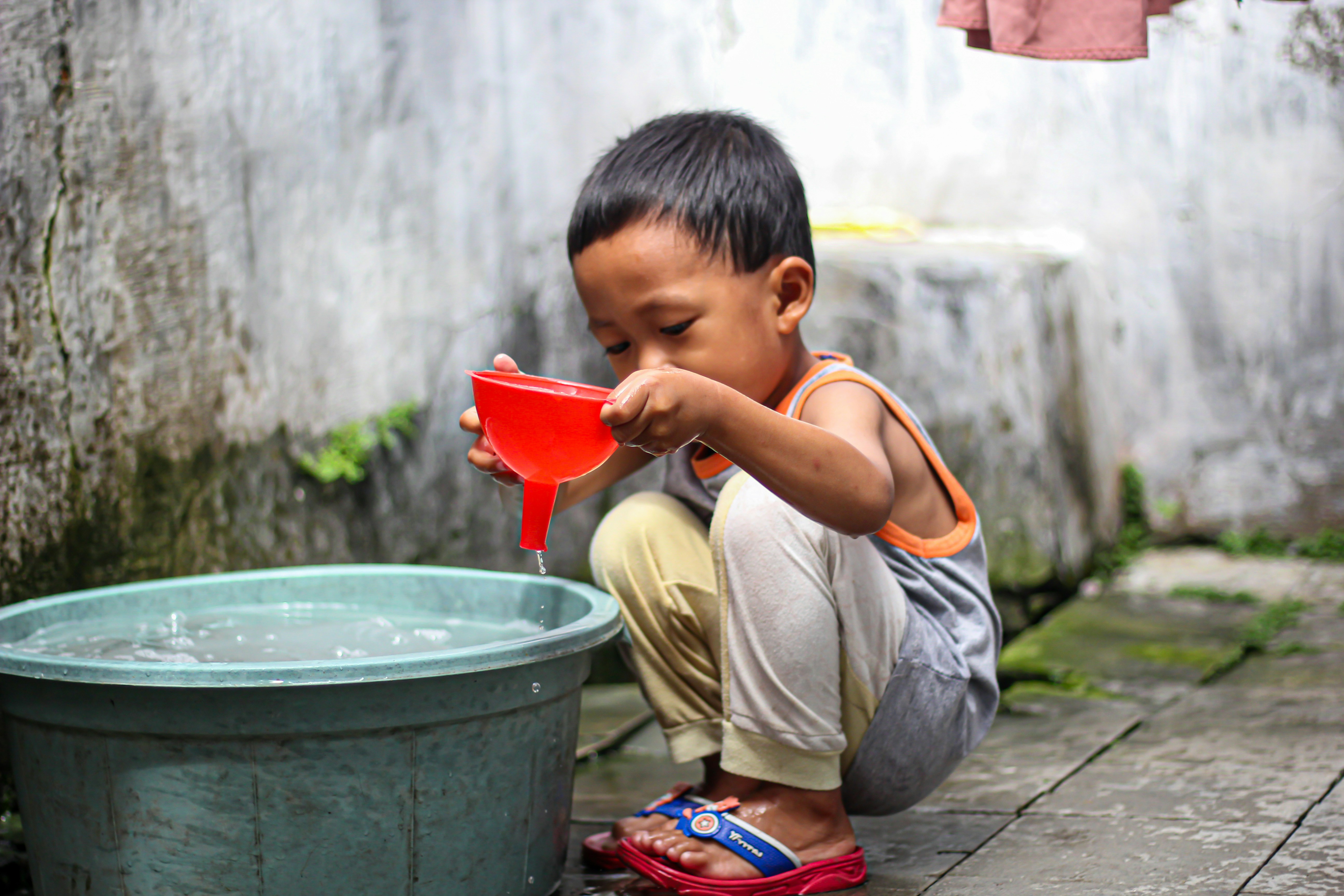
In early childhood settings across Aotearoa, kaiako often notice children returning to the same kinds of play again and again. A toddler may spend long stretches filling and emptying baskets. A preschooler might carefully line objects up, adjusting them until they feel “just right”. Another child may run, spin, or throw with seemingly endless energy.
For families, it can be reassuring to know that this kind of play is not random or unproductive. It reflects schemas — meaningful learning patterns that support children’s cognitive development, emotional regulation, and sense of safety in the world.
Understanding schemas can help whānau and kaiako work together in ways that are grounding and informed by what we now know about the developing nervous system.
Schemas, learning, and the developing brain
From a cognitive science perspective, schemas are early frameworks children use to organise experience. Research shows that learning in the early years is deeply embodied — children think, feel, and learn through movement, sensation, and relationship.
When children repeat actions in play, they are strengthening neural pathways and building prediction and flexibility. This repetition can look simple from the outside, but it reflects complex internal work. Children are testing ideas, noticing patterns, and integrating new experiences into what they already know.
Schemas often emerge through movement, construction, sensory play, and everyday routines. These patterns may return again and again, not because a child is “stuck”, but because their brain and body are still integrating learning.
Emotional regulation and a sense of safety
Emotional regulation develops slowly and always within relationships. Young children rely on the presence of calm, responsive adults to help them manage stress, excitement, and uncertainty.
Polyvagal theory offers a helpful lens here. In simple terms, it reminds us that children are constantly scanning their environment for cues of safety or threat. When they feel safe and connected, they are more able to play, learn, and engage. When they feel overwhelmed, their bodies may move into states of high energy or withdrawal.
Schema play can support children to gently move toward regulation. Repetition creates predictability. Movement helps release excess energy. Enclosing, organising, or connecting objects can restore a sense of control and safety. From this perspective, schema play is not just cognitive — it is nervous-system support.
When adults recognise this, they are more likely to respond with empathy rather than urgency or correction.
Polyvagal theory is a way of understanding how our nervous system responds to the world around us.
Children (and adults) are always noticing whether they feel safe, unsure, or overwhelmed — often without realising it. When children feel safe and connected, their bodies are more ready for play, learning, and social interaction. When things feel too much, their bodies may respond with big energy (like running, throwing, or shouting) or by pulling back and becoming quiet or withdrawn.
Young children don’t choose these responses — they happen automatically in the body.
Supporting schema
Children regulate and learn in different ways. Some tamariki need lots of movement, others seek stillness and order, and many move between the two.
Supporting schema play might mean allowing time for repetition, offering materials that meet sensory needs, or adjusting expectations around how learning “should” look. When whānau and kaiako narrate play with warmth and curiosity, children experience being seen rather than managed.
This kind of attuned response helps children feel safe enough to explore. Over time, these experiences support the development of self-regulation, as children internalise the calm and understanding of the adults around them.
Culture, connection, and collective regulation
In Aotearoa New Zealand, children grow within networks of whānau, culture, and community. Regulation is not an individual task — it is relational.
Shared play with siblings and peers, time spent outdoors on the whenua, and learning alongside trusted adults all provide strong cues of safety. These collective experiences align closely with both polyvagal understandings of regulation and with Māori and Pasifika ways of knowing, where learning is relational, embodied, and grounded in belonging.
Schemas often unfold naturally within these shared experiences, supported by rhythm, routine, and connection.
Bringing nature in
Nature offers rich and powerful opportunities for schema play. Outdoor environments provide open space for movement schemas such as running, climbing, throwing, and transporting, while natural materials like sticks, stones, water, sand, and leaves invite children to connect, enclose, rotate, arrange, and construct in endlessly creative ways.
Because these resources are open-ended, children can follow their own ideas without needing to use materials in a “right” way. The freedom of space outdoors also supports emotional regulation, allowing children to move their bodies fully, release energy, and find calm in their own time.
As understanding of schemas grows, we notice just how naturally the outdoors meets children’s learning and regulation needs — making nature an abundant and responsive resource for schema play.
When schema play feels challenging
There are times when schema play can feel difficult, especially when it is loud, messy, or intense. Holding boundaries is still important, and it can be done in ways that support regulation rather than escalate stress.
Calm, predictable responses help a child’s nervous system settle. Naming what you see, acknowledging the need behind the behaviour, and offering alternatives allows children to feel understood even when limits are in place.
In these moments, adults are not just guiding behaviour — they are helping children learn what safety feels like.
Repetitive movement, organising objects, building enclosed spaces, or moving their bodies in familiar ways can help children settle their nervous systems. These kinds of play send a quiet message to the body: “I’m okay. I’m safe.”
Calm, attuned adults are a big part of this process. When children experience warm voices, predictable routines, and understanding responses, they slowly learn how to regulate themselves over time.
Seen through this lens, play isn’t just fun — it’s one of the ways children learn what safety and connection feel like
Walking alongside tamariki
Schemas remind us that play is not separate from emotional wellbeing. Through repeated, meaningful play, children are building understanding, resilience, and trust in themselves and others.
For whānau and kaiako, noticing schemas is an invitation to slow down, observe more closely, and respond with compassion. When we do this together, we create environments where tamariki feel safe, connected, and free to learn in ways that honour who they are.
How PerVigeō supports children and families
We offer a safe, non-judgemental space where your family is welcomed by people who understand. Our team partners with you to explore your child’s unique strengths and challenges and to create a personalised plan for support.
Whether you’re looking for reassurance, advice, or formal assessment, we’re here to help.
Better together
Together, we’ll take the next steps toward helping your child reach their full potential.