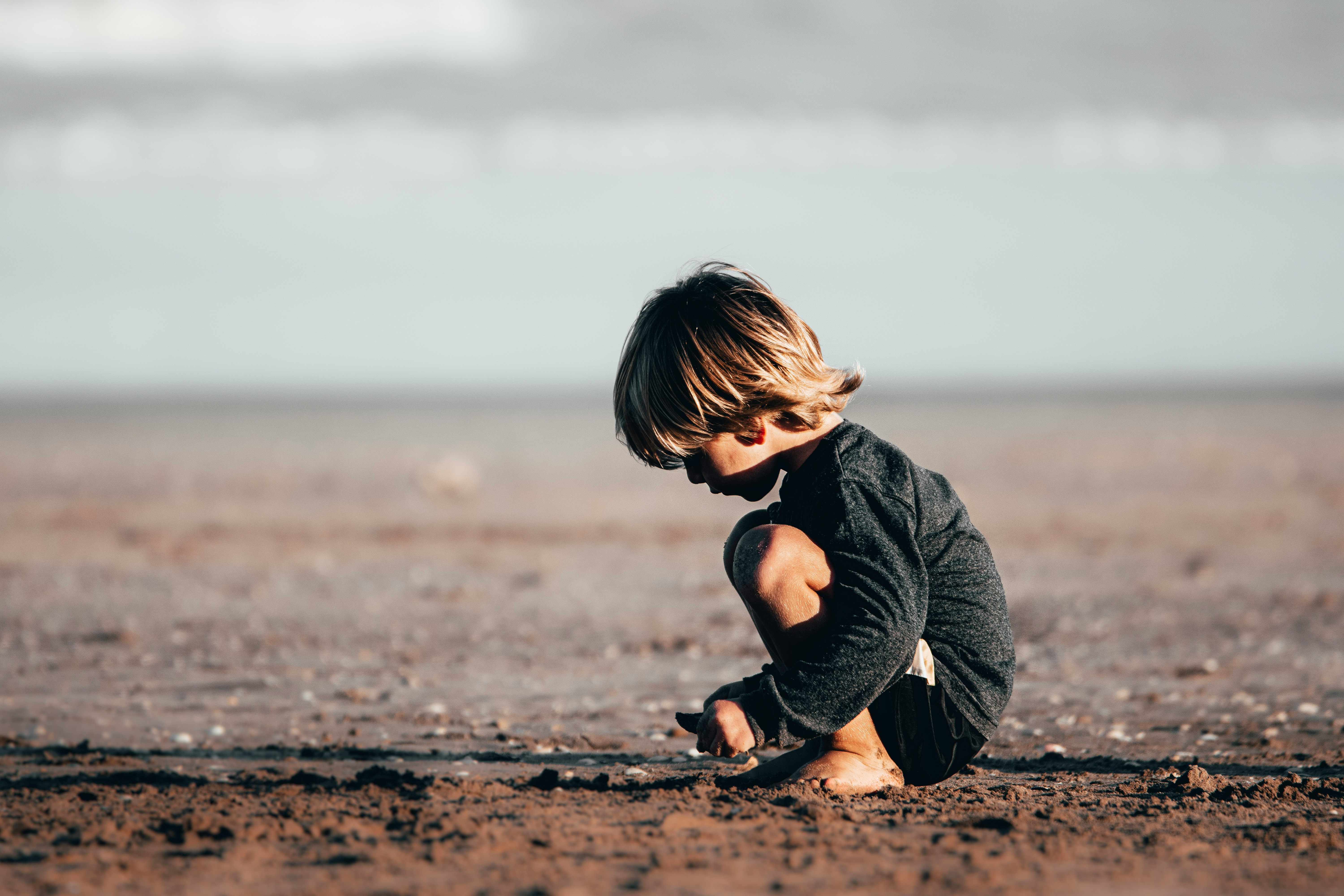
Let Them Play: Why Free Play Matters for Our Tamariki
These days, it can feel like childhood has become a bit of a rush. Between kindy, school, swimming lessons, sports, music, therapy sessions, and catch ups with friends, many tamariki have a full schedule. While these activities all have their place, there’s something precious — and powerful — about unstructured, free play.
At PerVigeō, we know that play isn’t just a way to fill time — it’s how children learn, grow, and make sense of their world. When we prioritise free play over constant structure, we’re nurturing creativity, confidence, and hauora — holistic wellbeing.
Play grows creativity
When tamariki are free to follow their own curiosity, their imaginations come alive. A stick might become a magic wand, a cardboard box a car, and the garden a whole new world. In those moments, they’re not just playing — they’re problem-solving, experimenting, and inventing.
Creativity doesn’t come from perfect plans or adult-led projects. It grows in the gaps — in boredom, in daydreams, in mud pies and made-up games.
Play builds self-reliance
During free play, children are in charge. They make choices, take small risks, and learn from what happens next. That sense of “I can do this” builds independence and confidence that lasts well beyond childhood.
It’s tempting to step in and guide them, but sometimes the most powerful thing we can do as parents is to step back — to whakarongo (listen), to observe, and to let them lead.
Play supports emotional wellbeing
Life can be big and confusing for little ones. Through play, tamariki express feelings, test boundaries, and process their experiences in a way that feels safe and natural. Whether they’re dressing up, building, or simply exploring outside, free play gives them space to breathe and be themselves.
It’s like a reset for the hinengaro (mind) and ngākau (heart) — helping them find balance again.
“When children are free to play, they don’t just grow — they thrive.”
Play strengthens relationships
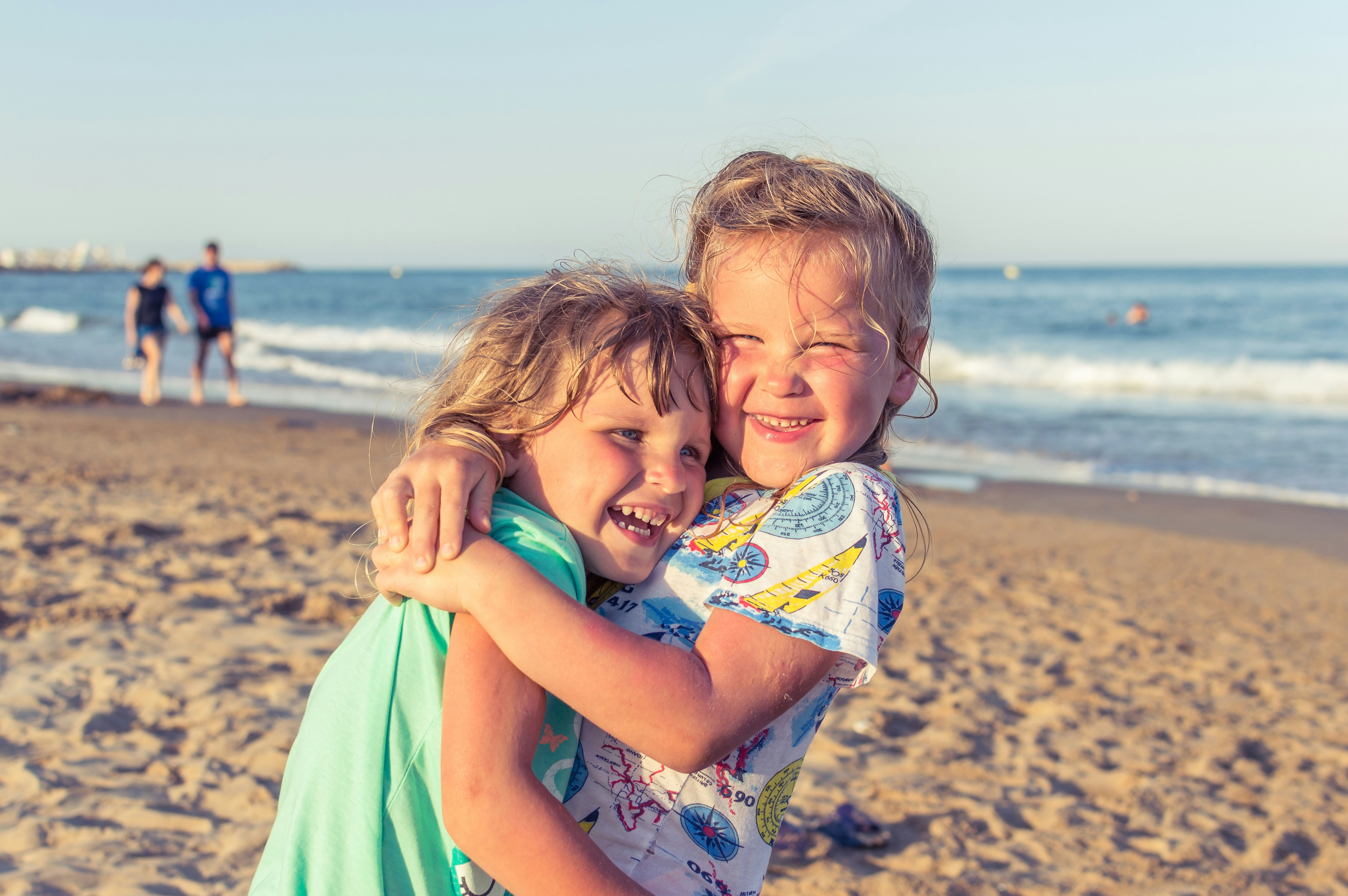
When children play together — at home, in the park, or at kōhanga reo or preschool — they’re learning the give and take of friendship. Negotiating, sharing, cooperating — these are the building blocks of strong social skills. Free play creates natural opportunities for connection and empathy to grow. Play. Learn. Grow. Together.
Finding balance
Structured activities absolutely have their place, especially when they bring joy and connection. But our tamariki also need time to explore at their own pace. It’s in those unhurried, messy, creative moments that they often learn the most about themselves and the world around them.
So next time your child says, “I’m bored,” take a deep breath and resist the urge to fill the space. That boredom might be the doorway to something wonderful.
At PerVigeō
We see every day how powerful play can be. In our assessments and interventions, play isn’t just a tool — it’s a window into a child’s world. Through play, we see their strengths, their challenges, and their incredible potential.
So, let’s give our tamariki the gift of time — time to explore, imagine, and simply be. PerVigeō – Supporting children and whānau across Ōtautahi to flourish.
How PerVigeō supports children and families
We offer a safe, non-judgemental space where your family is welcomed by people who understand. Our team partners with you to explore your child’s unique strengths and challenges and to create a personalised plan for support.
Whether you’re looking for reassurance, advice, or formal assessment, we’re here to help.
Better together
Together, we’ll take the next steps toward helping your child reach their full potential.


.jpg)