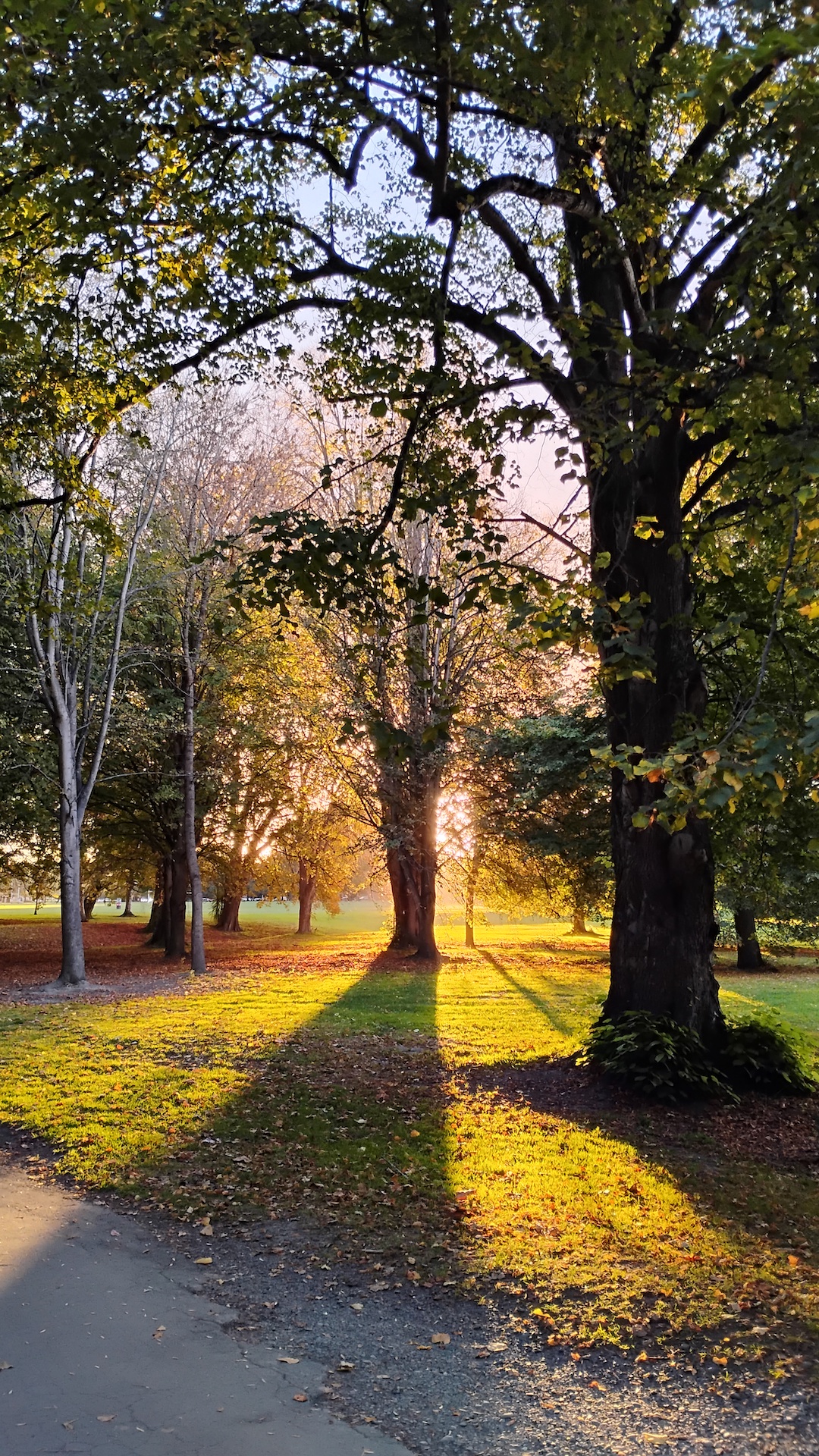
I was biking through South Hagley park’s cathedral of trees on my way to work when a swell of ease and fulfilment came over me. The rhythm of my movement, the light playing softly in the leaves, the shape the boughs made above me… I felt small, but not insignificant. Slow, peaceful, unhurried, but full of momentum. I felt so grateful. And I thought I want others to know: This is what awe does.
Unless I am intentional about the time I want to spend reading news, looking for things on Marketplace, or checking to see if anyone has sent me a message, I can easily slip into a pattern of craving – interesting information bites, a quick second-hand bargain, wanting to feel connected. We all do it, and so do our children.
In our current culture there is a lot of talk about ‘dopamine hits’, the ‘dopamine rush’, and ‘dopamine detoxing’. What is happening?
When we feel the tug – that’s anticipation. Anticipating something new or rewarding like new listings, new notifications, a new gaming level, a burst of sweet or salty food. Our brains are always predicting, and when they predict that something will feel pleasurable or rewarding, the chemical messenger dopamine is released in our brains. Then, when that something does feel good a little more is released (along with other chemical messengers) essentially saying “remember this, do it again.”
When we do this a lot with little effort and quick payoffs, our brains adjust and shift the bar and it drives us to look for more and more. We’re in a loop where anticipation rises faster, but satisfaction also fades faster. There is nothing inherently wrong with dopamine; it motivates us, helps us explore and look for meaning. It is a system of approach, of movement, of seeking. But when every moment offers a quick reward – we don’t have to work hard to pick up our phones or reach for a snack – we can get stuck in that loop of constantly craving and consuming and this changes our brain chemistry. Awe, on the other hand, does not ask us to keep chasing. It frees us to stay.
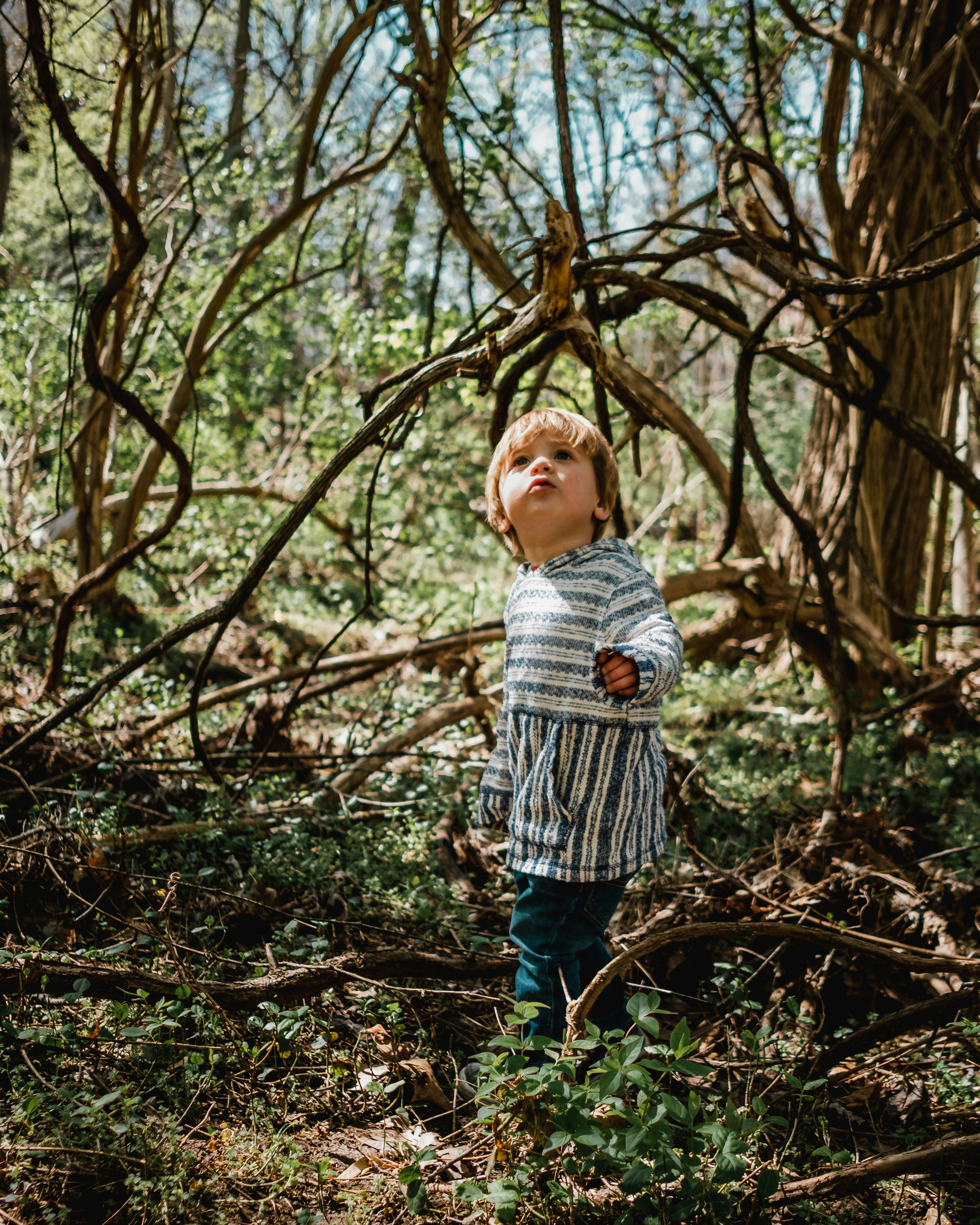
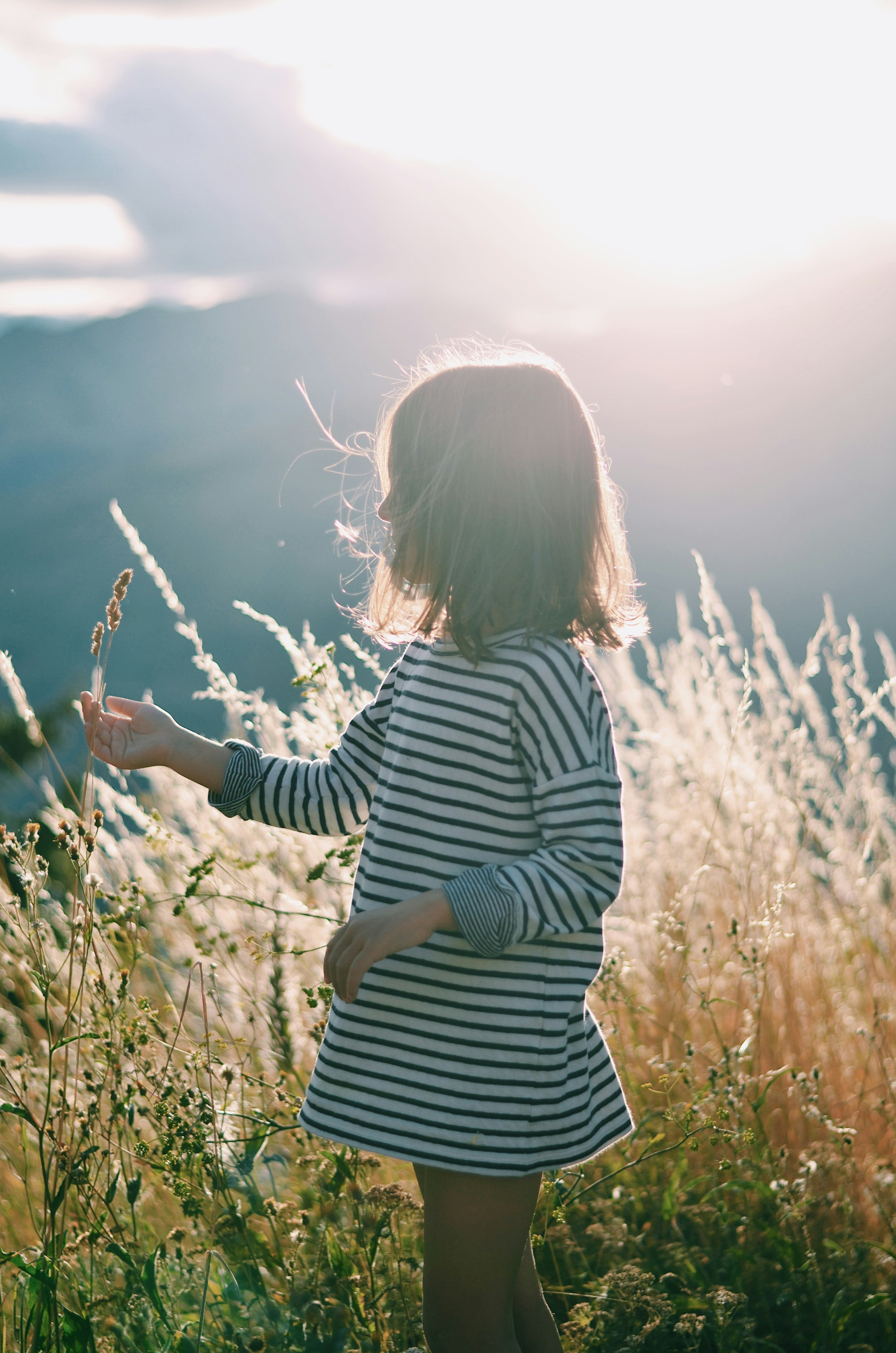
Our children are growing up surrounded by this pattern, where reward is fast and fleeting, and attention is always being pulled forward. Our lives these days are largely engineered around immediacy. But we can invite another way of moving through the world back in. Children’s innate tendency toward awe is something we can learn from and protect; the way they see things for the first time, notice newness and are driven to explore the natural world, wondering at things we might easily miss as adults.
Awe is not the absence of dopamine – it is a different relationship with it. Awe also reduces cortisol (the stress hormone) and increases feel-good hormones, mood stabilising and natural pain-relieving messengers in the nervous system. Awe does not rush, it invites our nervous systems to soften, to settle, to widen our noticing, to linger in amazement. What if we can invite our children to feel connected, to rest, to find their place in the world around them? What if we can teach ourselves that we don’t need to earn rest or belonging?
Dacher Keltner (author, psychologist and director of the Greater Good Science Centre) has spent years studying and writing about awe. Awe is the emotion we feel when we encounter something vast, something that breaks us out of our usual way of seeing the world. Standing under the stars. Hearing a piece of music that gives you tingles. Witnessing extraordinary kindness.
It might also be a little glimmer hinting at something vast—like the quiet wonder of photosynthesis, revealed in a leaf’s intricate design, sustaining us with every breath we take. Awe feels good and, importantly, it changes how we relate to ourselves. Keltner describes that it quiets the ego. Your worries shrink, your sense of time expands, and you remember that you are connected to something larger than just you. It impacts us on so many levels. Awe develops generosity over the restlessness of wanting, brings perspective and creativity instead of stress, it even reduces inflammation in the body and increases interoceptive awareness!
And does it work for neurodivergent systems, too? We know that both adhd and autistic systems have differences in how dopamine signalling works, but the effects awe has on dopamine and emotional regulation are certainly beneficial for neurodivergent folks. Awe can support reducing overwhelm and stress by reducing mental ‘noise’ and anxiety, support shifting attention without force, offer gentle novelty without pressure, and increase our sense of connection without demand. Because of the perceptual sensitivity often present in neurodivergent systems, there is the chance that experiences of awe can be even more profound.
Here are 5 simple ways you can invite awe into day-to-day life with your whānau to boost your well-being:
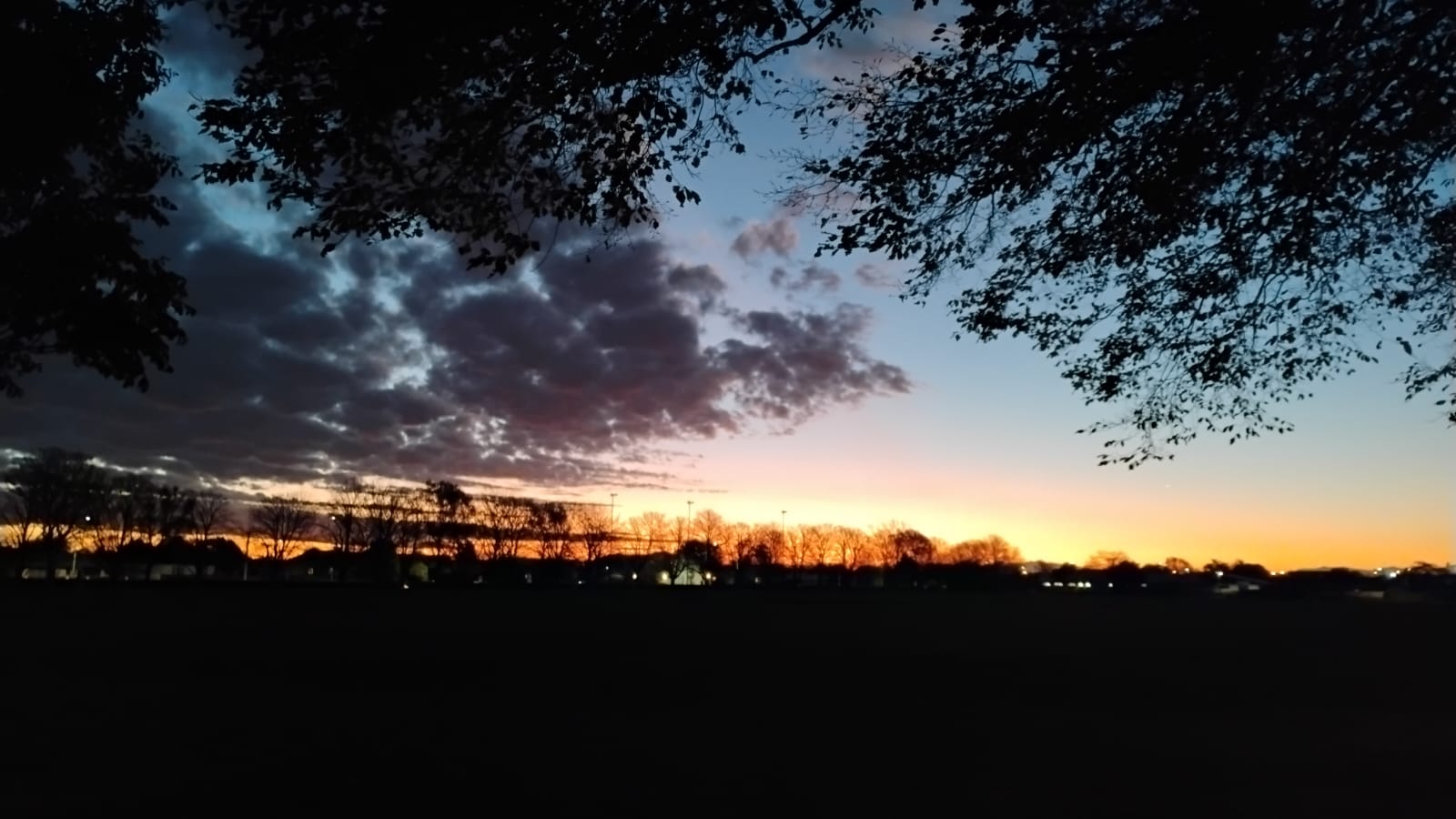
· Look up! The sky, a sunrise, a sunset, the stars, the moon, are reliably there as sources of awe.
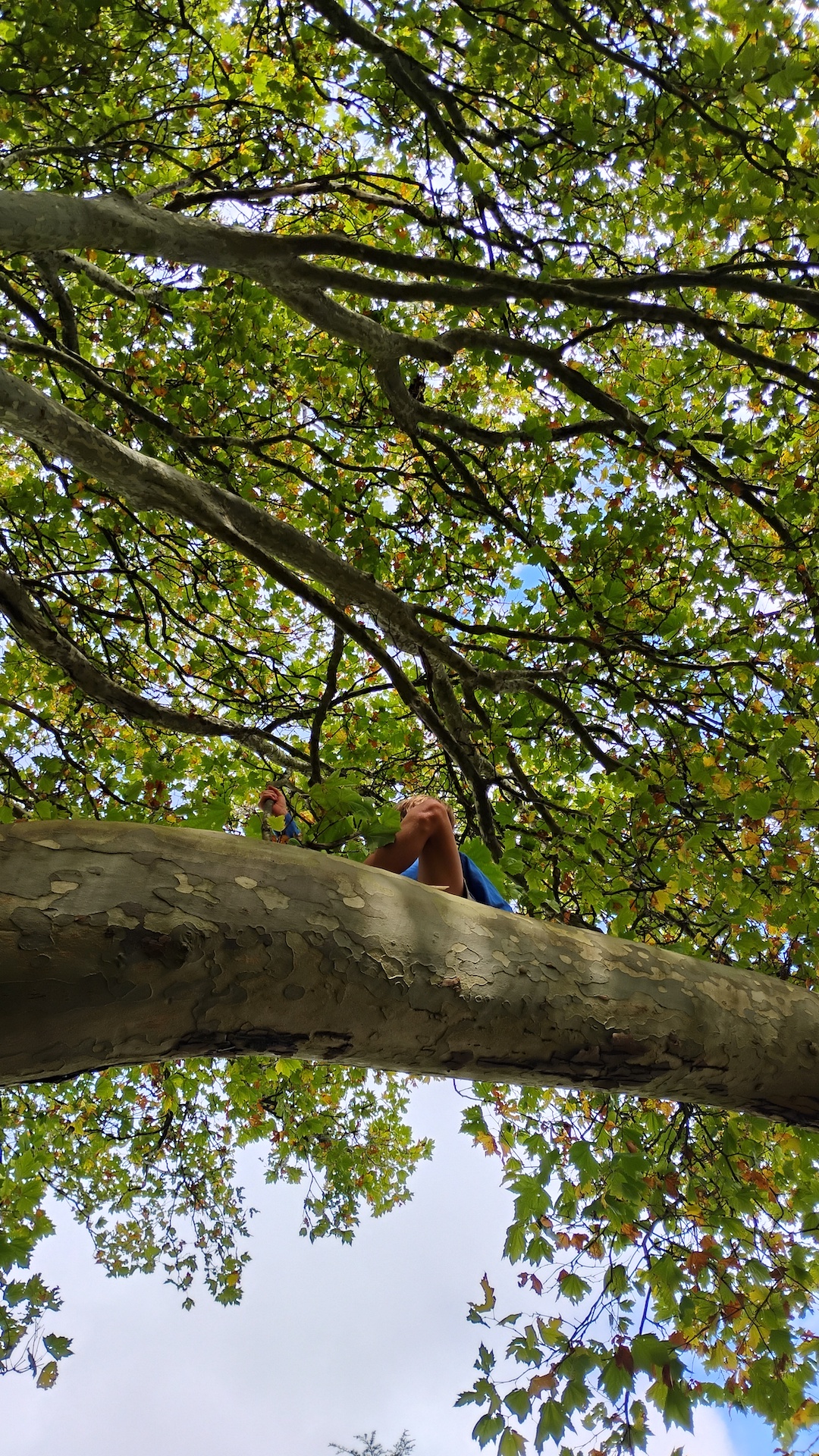
· Find a tree. Trees consistently create conditions of awe – they can hold our attention without demanding it, widen our gaze and offer open-ended ideas for play. Instead of heading straight to a playground, try finding a good tree! The Botanic Gardens have some very awe-inspiring trees.
· Just add water. Looking out over the ocean or a lake can give us that expansive sense belonging to something bigger. Plus, just being near water is a proven way to support well-being.
· Pause. Let music and art have your full attention. Moving with others to music is also a proven way to improve well-being.
· Look for human goodness. I think of Mr. Rogers’ famous quote that during times when the news was overwhelmingly scary “…my mother would say to me, ‘Look for the helpers. You will always find people who are helping”. Acts of courage and kindness can be awe-inspiring.
These are simple but powerful ways to boost all aspects of our well-being – tinana/physical well-being, wairua/spiritual well-being, whānau/family and social well-being, and hinengaro/emotional and mental well-being.
Which one will you try first?
References:
Durie, M. (1998). Whaiora: Māori Health Development (2nd ed.). Oxford University Press.
Garrett, J. K., White, M. P., Huang, J., Wyles, K. J., Fleming, L. E., & Grellier, J. (2023). Blue space exposure and health: A systematic review of the evidence. Environmental Research, 231, 116324.
Greater Good Science Center. (n.d.). What is awe? Retrieved April 14, 2026, from Awe definition page
Monroy, M., & Keltner, D. (2023). Awe as a pathway to mental and physical health. Perspectives on Psychological Science, 18(2), 309–320. https://doi.org/10.1177/17456916221094856
Sharpe, B. T., & Spooner, R. A. (2025). Dopamine-scrolling: A modern public health challenge requiring urgent attention. Perspectives in Public Health, 145(4), 190–191. https://doi.org/10.1177/17579139251331914
The Diary Of A CEO. (2025, January 2). Dopamine expert: Doing this once a day fixes your dopamine! What alcohol is doing to your brain!! (Featuring Dr. Anna Lembke) [Video]. YouTube. https://www.youtube.com/
How PerVigeō supports children and families
We offer a safe, non-judgemental space where your family is welcomed by people who understand. Our team partners with you to explore your child’s unique strengths and challenges and to create a personalised plan for support.
Whether you’re looking for reassurance, advice, or formal assessment, we’re here to help.
Better together
Together, we’ll take the next steps toward helping your child reach their full potential.