We are now deep in the long school holiday break in Aotearoa. With sunny days, rainy days, full houses, less routine, parents juggling work and high expectations for “fun;” many families, including mine, find the holidays both exciting and exhausting.
For neurodivergent children, this season can bring sensory overload, emotional dysregulation, and burnout. And when one child is struggling, the whole household feels it.
A few simple sensory-aware adjustments can make the holidays calmer, more enjoyable, and more inclusive—for everyone.
Below are some sensory suggestions for busy homes and real kiwi families.
1. Aim for a “Soft Routine” (Rather than a Rigid Schedule)
While holidays are about freedom, total unpredictability can be stressful—especially for neurodivergent children.
Try a soft daily rhythm that looks something like this, instead: Wake up, Eat, Move, Rest, Eat, Play, Wind down, Eat
You don’t need times—just a familiar flow. You could use a simple visual (whiteboard, a piece of paper on the fridge, or pictures) to show the shape of the day. This helps children feel safe without removing flexibility.
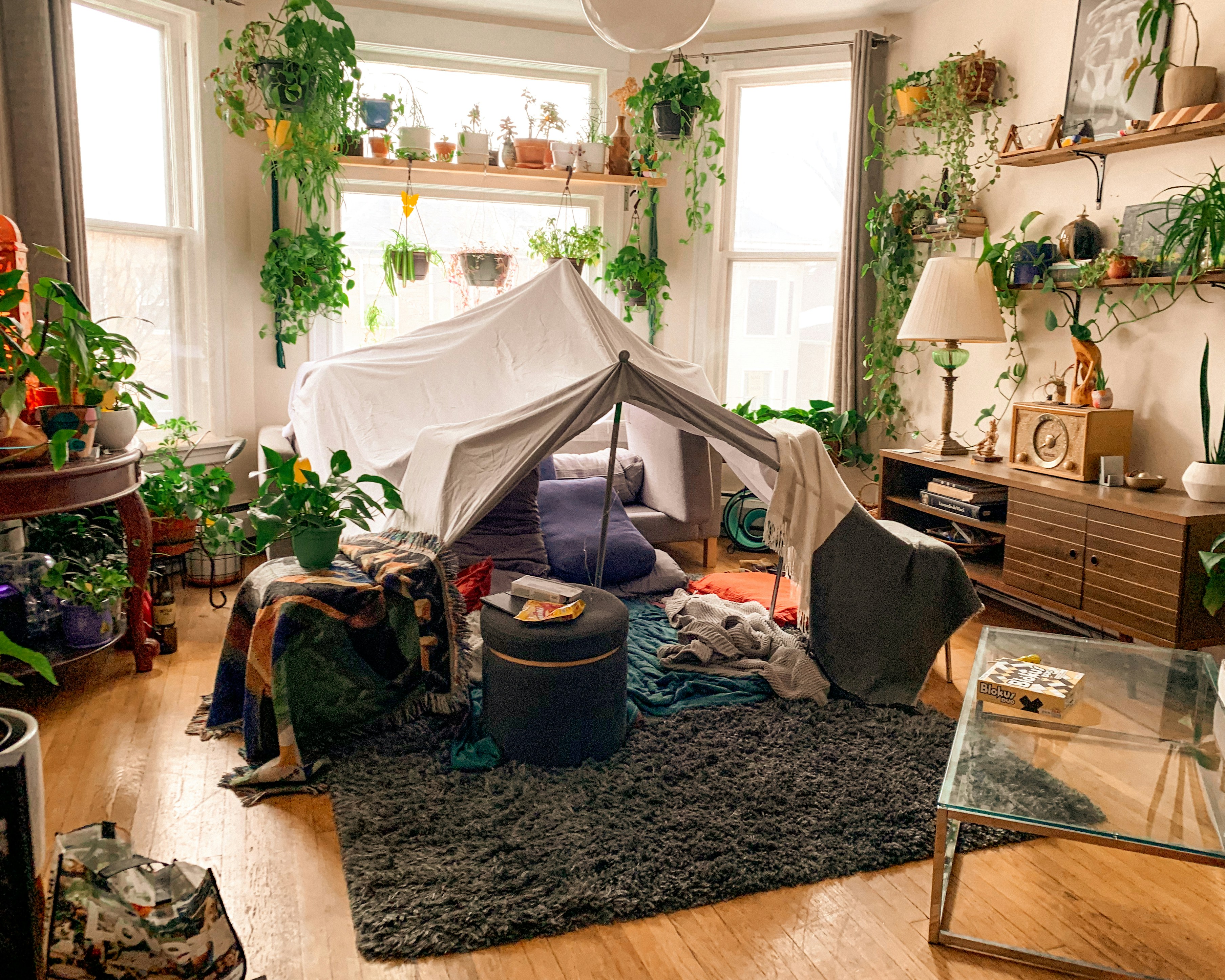
2. Create a Sensory Retreat Space
Our homes tend to get louder, messier, and fuller over the holidays. All children—especially sensory-sensitive tamariki—need a place to decompress.
A sensory retreat is a space is for regulation, not isolation. It doesn’t need to be fancy, it just needs to work for your whare and for your whānau. It might look like:
A beanbag or pillows in a quiet corner
Headphones or ear defenders
Low lighting or fairy lights
Favourite soft toys or blankets
3. Balance Out High-Energy Days
Beach trips, barbecues, playdates, and whānau gatherings are fun—but also sensory heavy.
For every big outing, plan a low-demand recovery window:
A quiet morning after a big day out
Screen time without guilt
Free play at home
Solo activities
You can think of it as sensory budgeting—you can’t spend energy without allowing time to recharge.
4. Offer Sensory Variety (Not Just “Burn Energy”)
“Go and play outside” doesn’t work for all tamariki. Instead, offer different sensory input options:
Water play (hose, paddling pool, buckets)
Heavy work (carrying groceries, digging, pushing)
Deep pressure (tight hugs with consent, weighted blankets)
Calming input (drawing, Lego, music, swinging)
Let your children show you what helps their bodies feel “just right.”
5. Make Food Low-Pressure
Holiday eating often means:
Different foods
Different times
More socialising and shared meals
For sensory-sensitive eaters, this can be overwhelming. Try these strategies:
Always include at least one safe (familiar and enjoyed) food
Avoid forcing “holiday foods”
Offer snacks regularly to prevent hunger meltdowns
Let children eat away from the table if it's needed
6. Prepare for Transitions (Even Fun Ones)
Transitions don’t stop being hard just because something is exciting. You can help by:
Giving advance warnings (“10 minutes, then we pack up”)
Not every day needs to be magical. Not every child needs to be happy all the time. Not every activity needs to be picture perfect.
When adults lower expectations, children feel safer—and regulation becomes easier.
8. Support the Adults Too
Whānau and Caregivers - your nervous systems matter! Try to:
Tag-team where possible
Take micro-breaks
Keep yourself well fuelled and hydrated
Say no to some invitations
You can’t pour from an empty cup—and children co-regulate with the adults around them.
The summer holidays don’t need to be perfect to be meaningful.
By creating sensory-aware environments, flexible routines, and compassionate expectations, we can support neurodivergent children—and indeed all children - and make the holidays more peaceful for the whole whānau.
How PerVigeō supports children and families
We offer a safe, non-judgemental space where your family is welcomed by people who understand. Our team partners with you to explore your child’s unique strengths and challenges and to create a personalised plan for support.
Whether you’re looking for reassurance, advice, or formal assessment, we’re here to help.
Better together
Together, we’ll take the next steps toward helping your child reach their full potential.